-
Before new breeding season starts

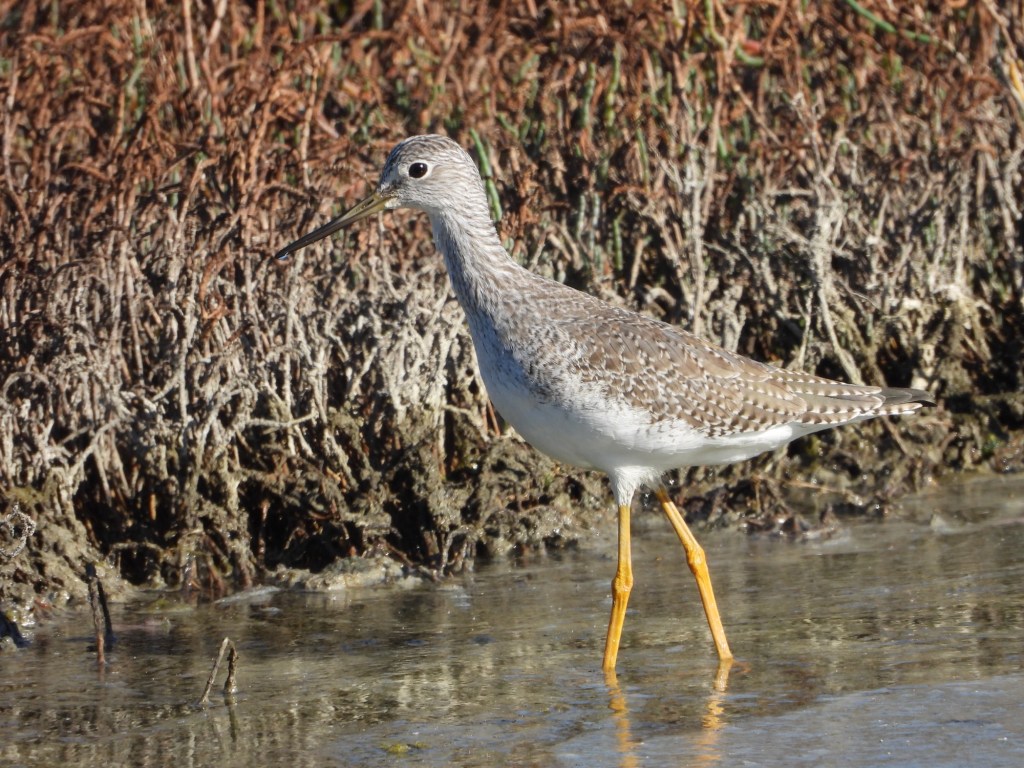
The greater yellowlegs are living as usual, calm and comfortable 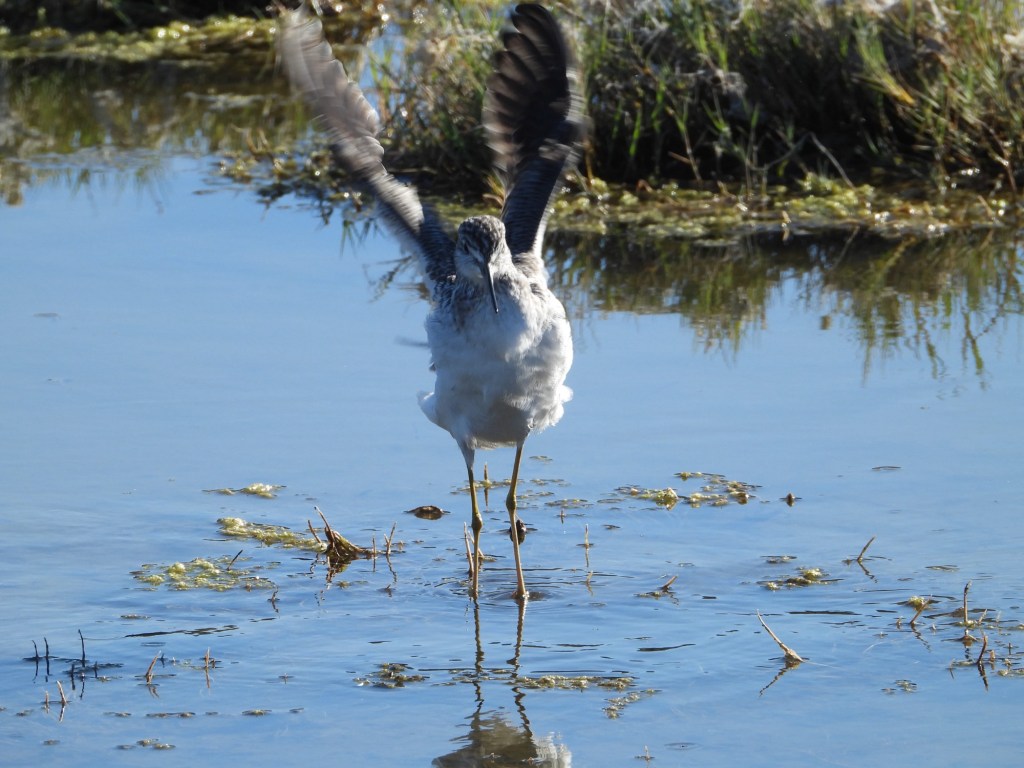
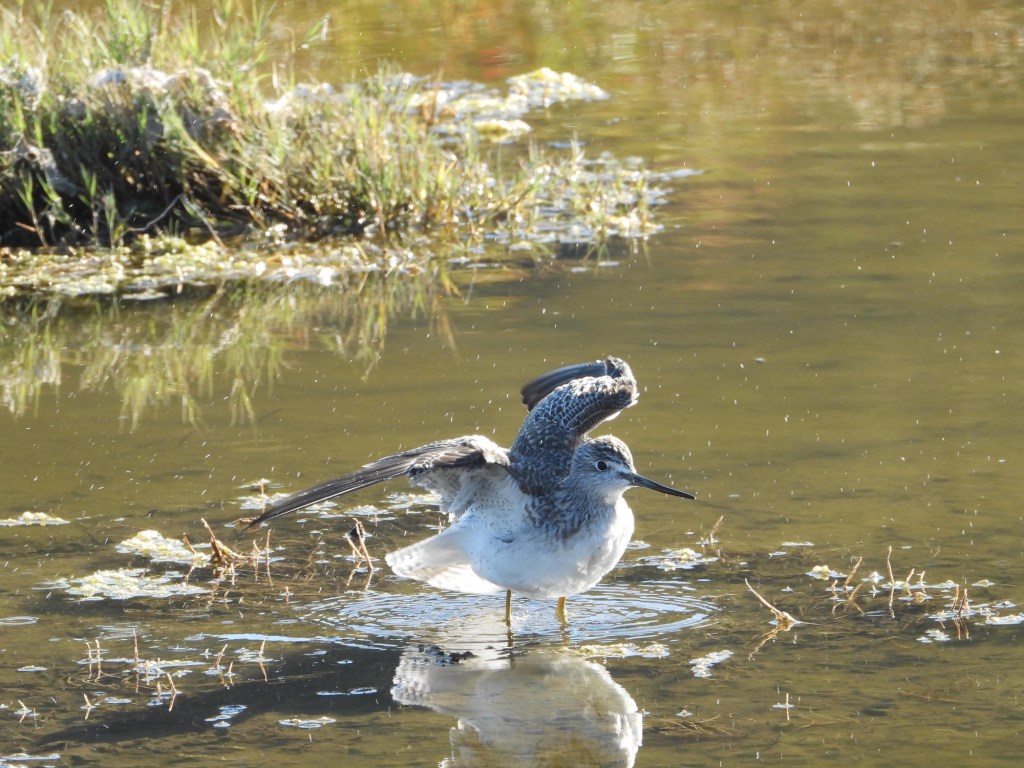
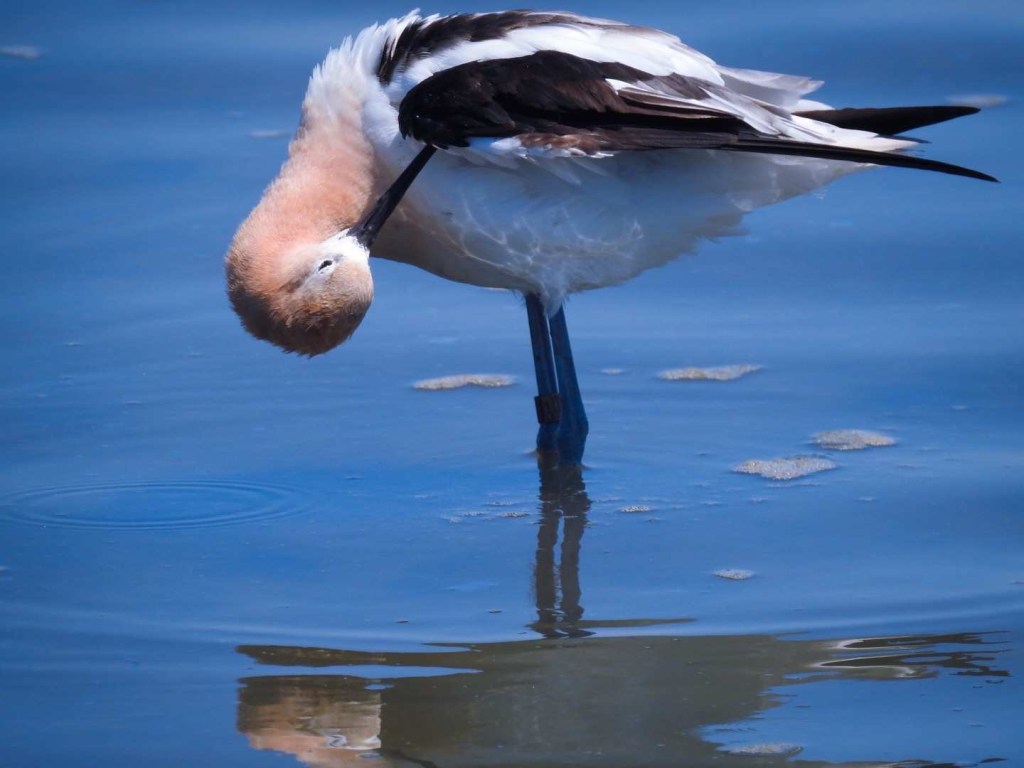
Take a bath for about 30 minutes and wash every feather carefully 
He is so happy today 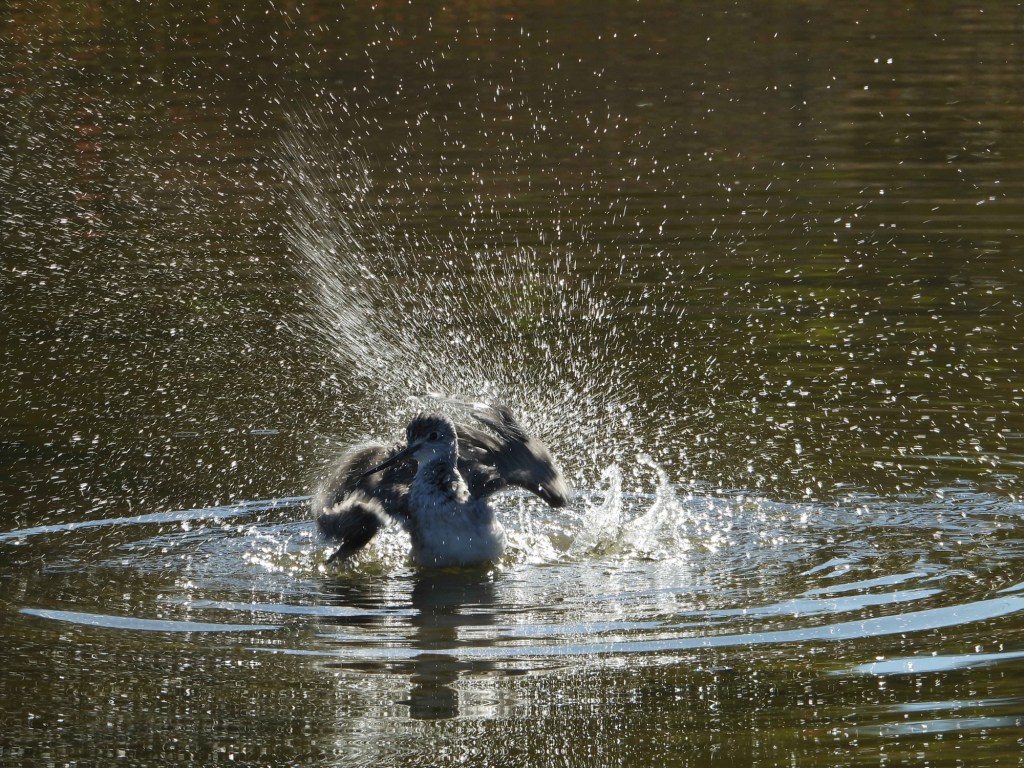
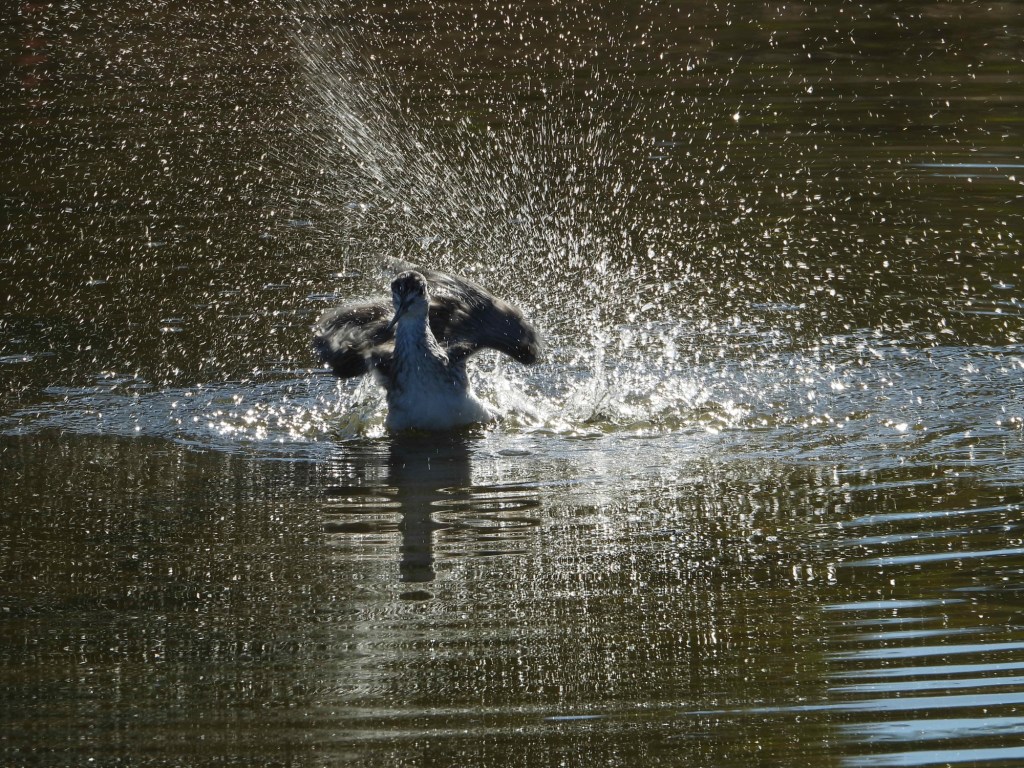
Seeing it playing in the water makes me happy too After bathing, it turned into a beautiful greater yellowlegs
-
Another happy day
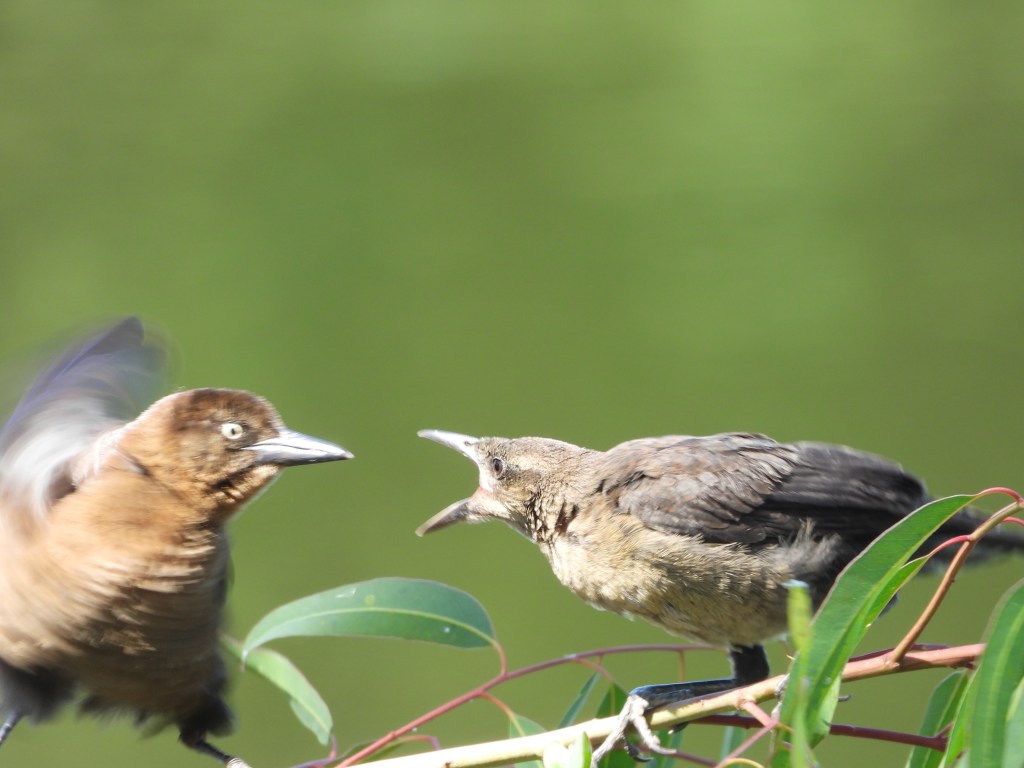
Great tailed Grackles were quarreling, they were very aggressive. One scared another. 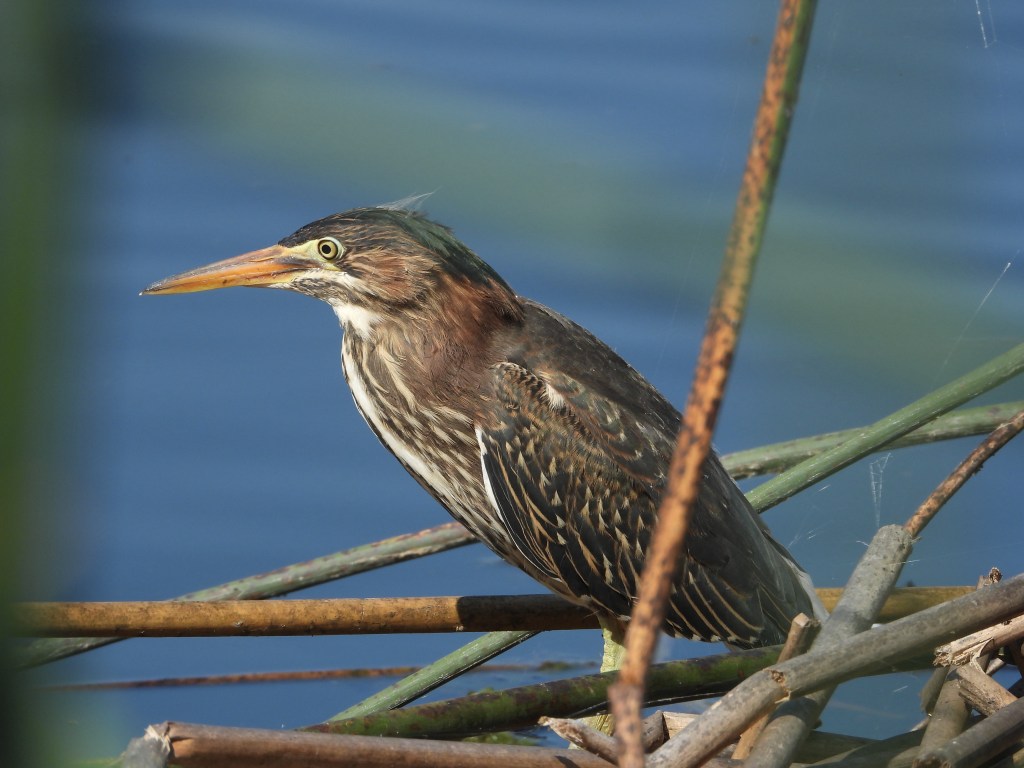
Juvenile green egret 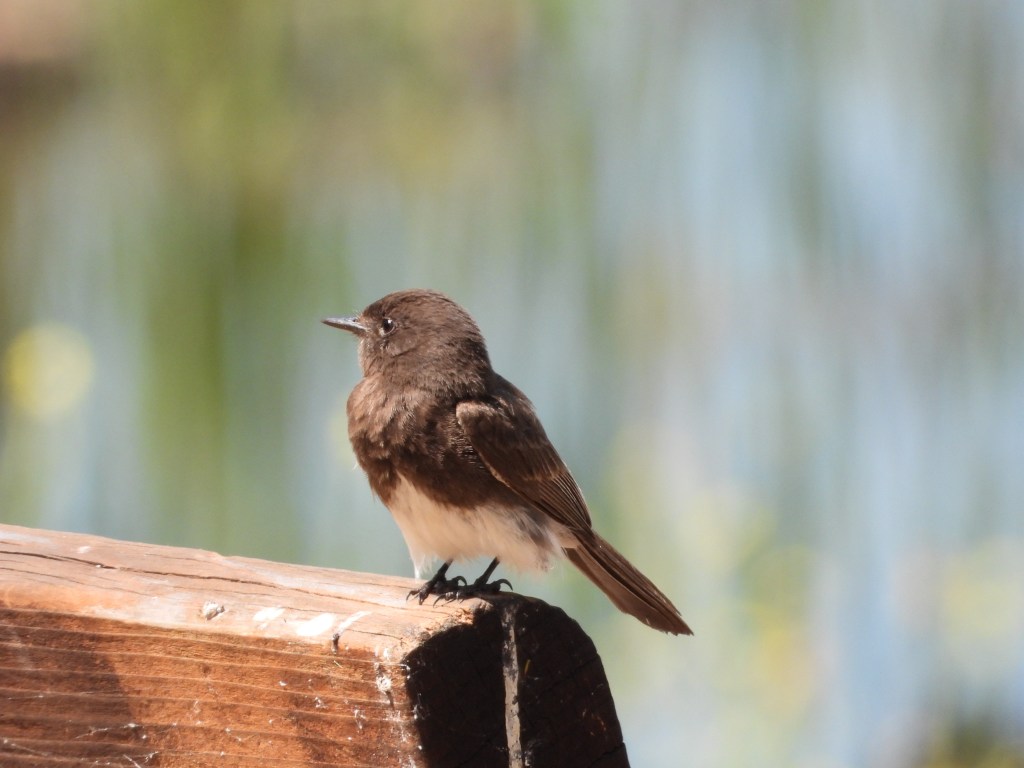
black phoebe 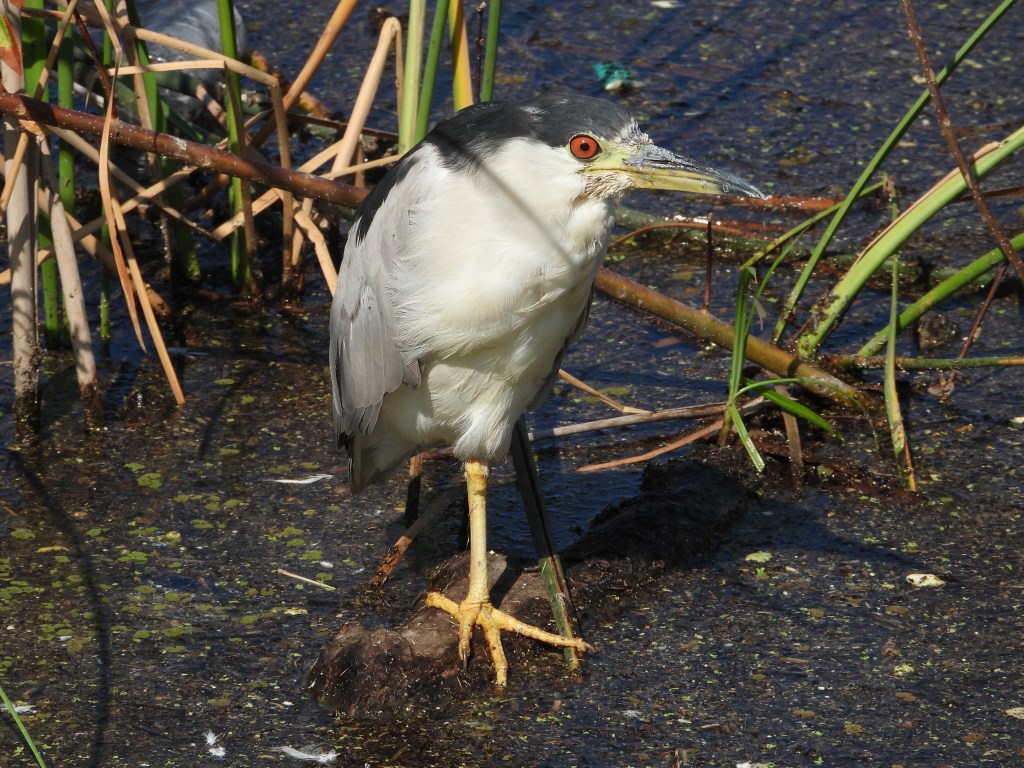
Black-crowned Night Heron In a daze 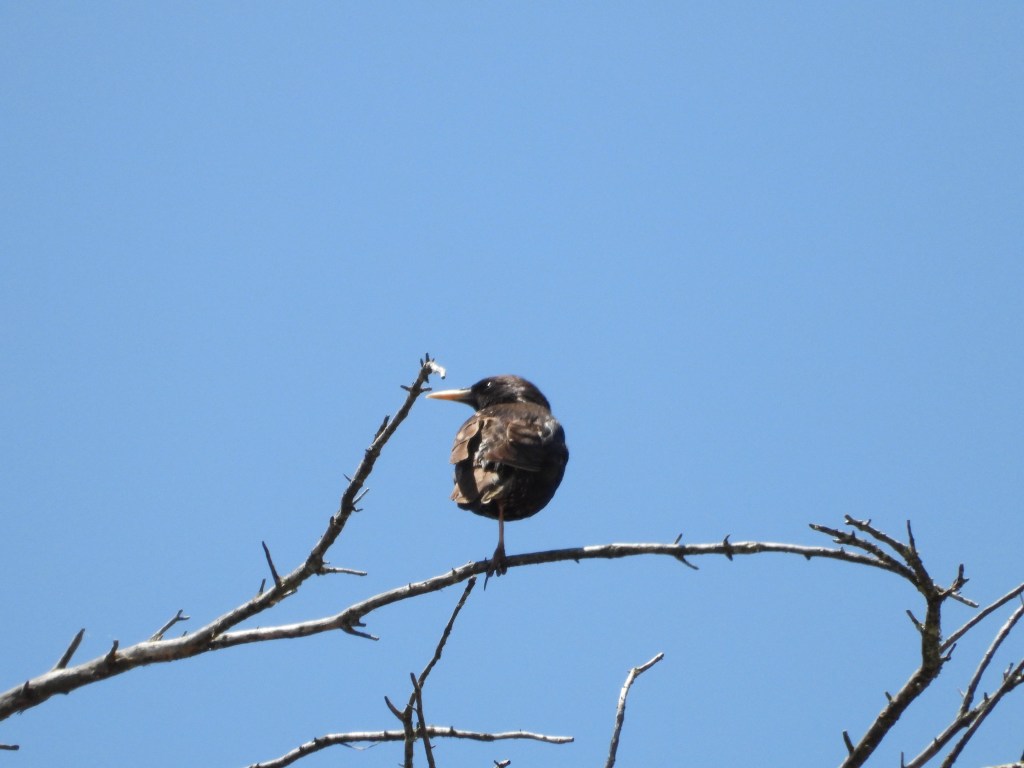
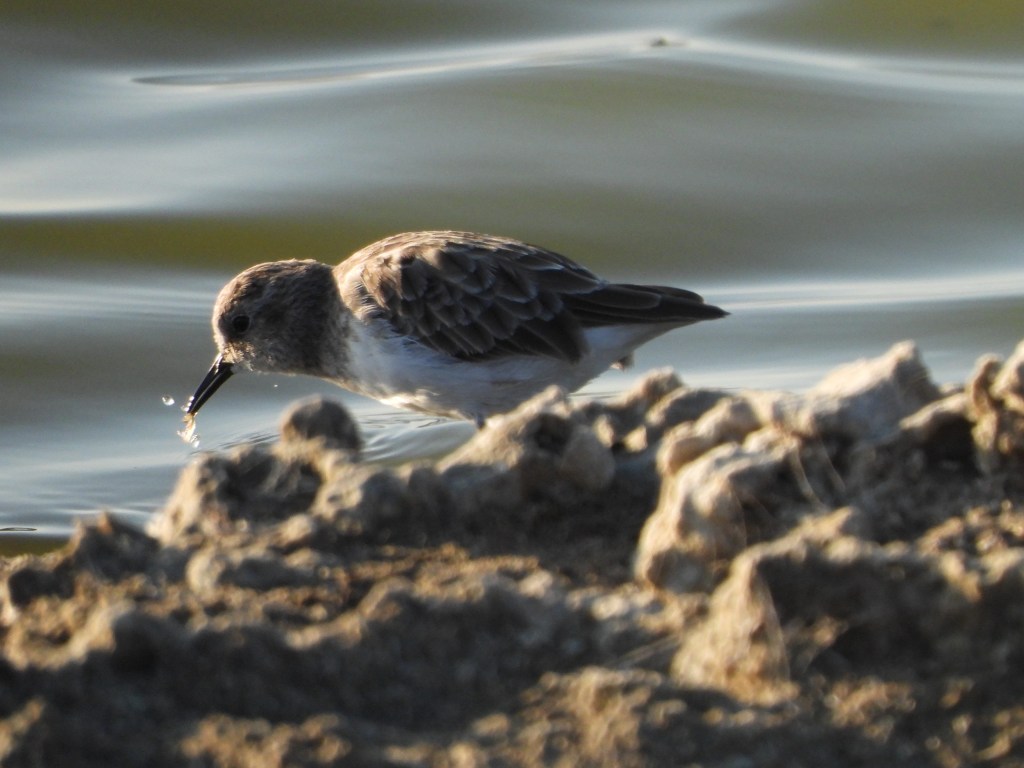
Least Sandpipers 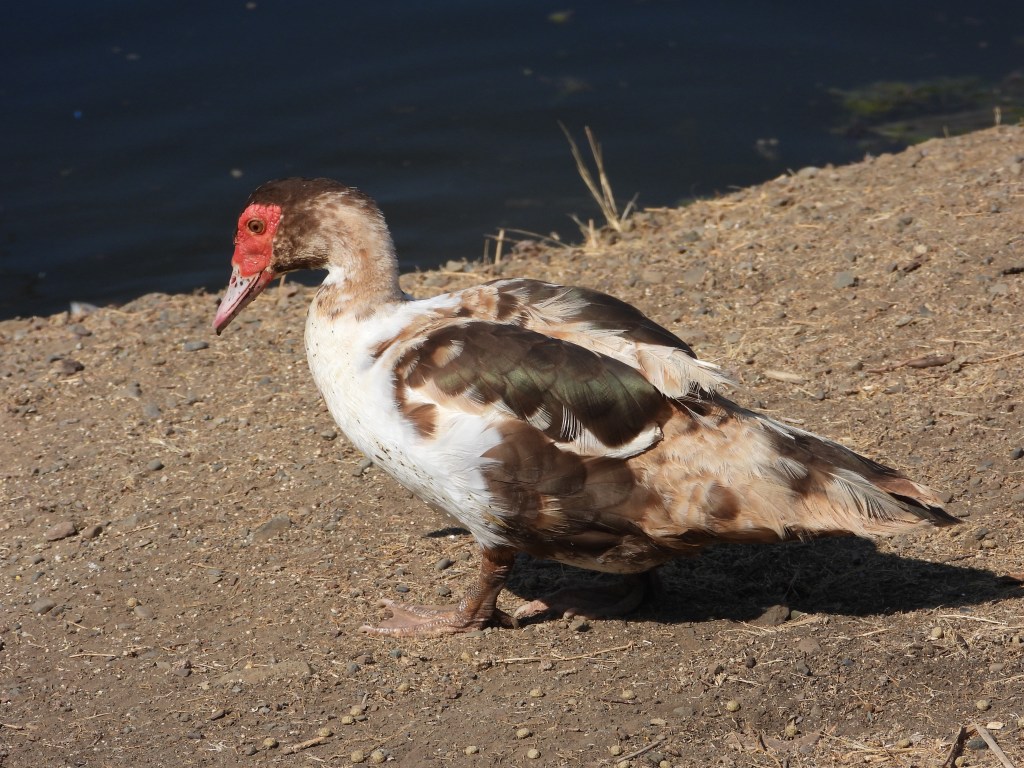
Domestic Muscovy duck was looking for food alone and does not fit in with other ducks.
-
Still Enjoying Monitoring Snowy Plovers
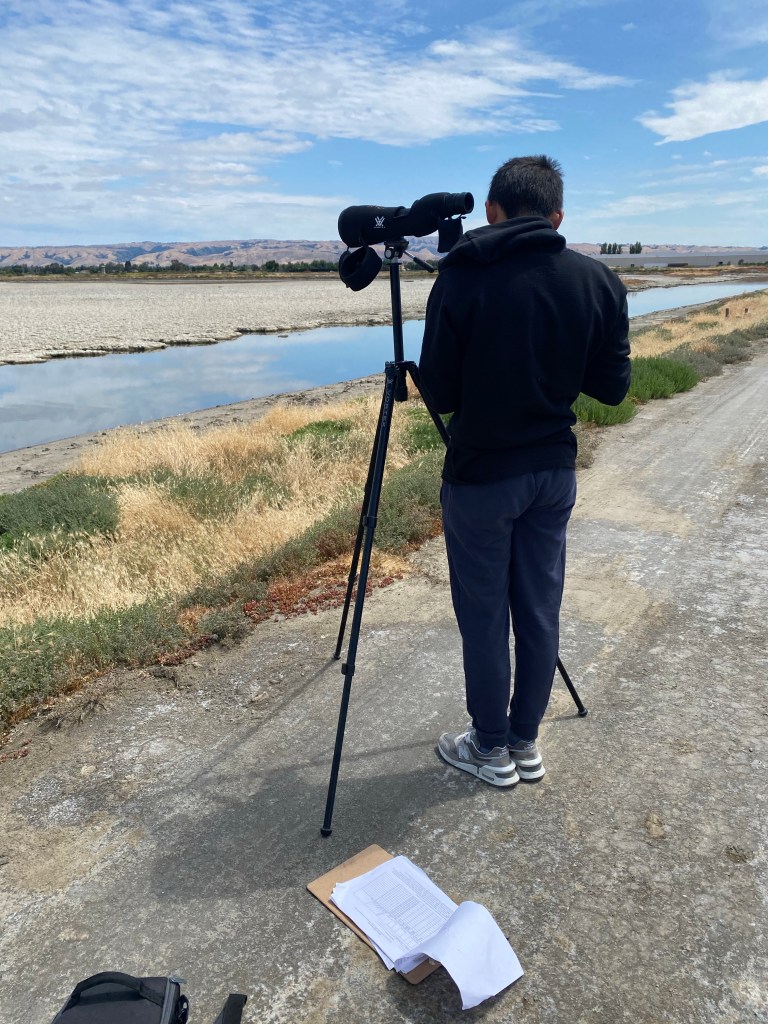
2-3 hours of monitoring Snowy Plovers at the pond never gets boring. It does put a little strain on my eyes though. 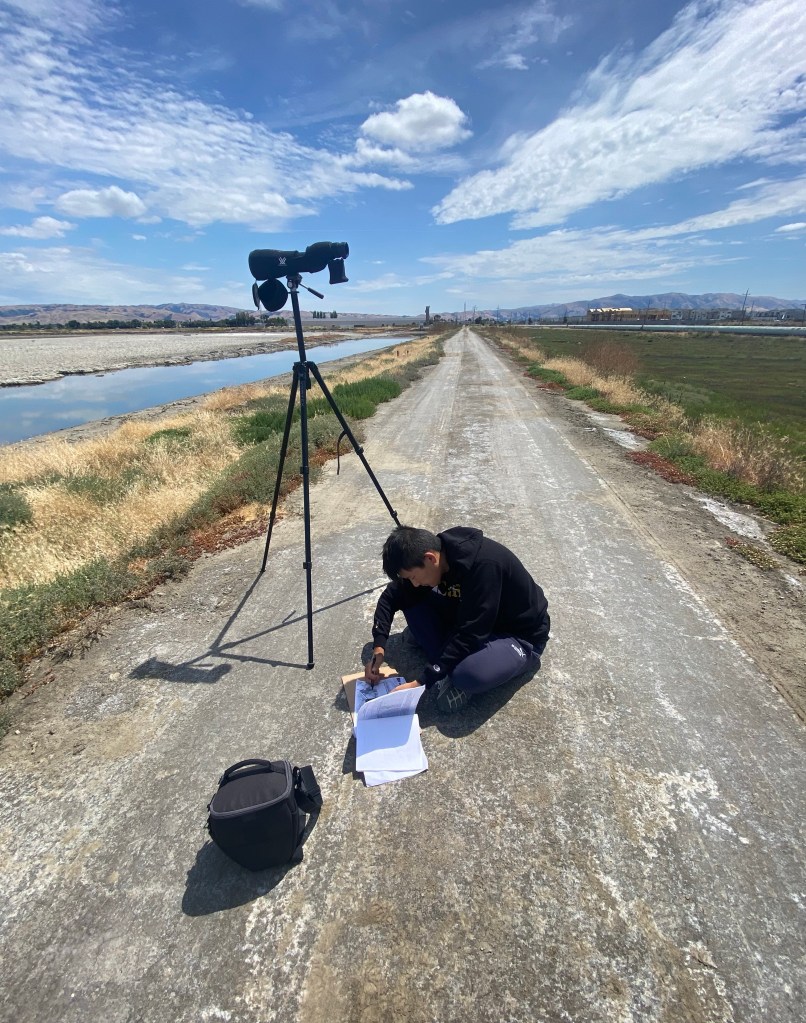
It’s fun seeing these tiny birds getting bigger and walking around looking for food with their little routine of scuttling and pausing (it’s very cute). It’s really a pleasure to monitor them. 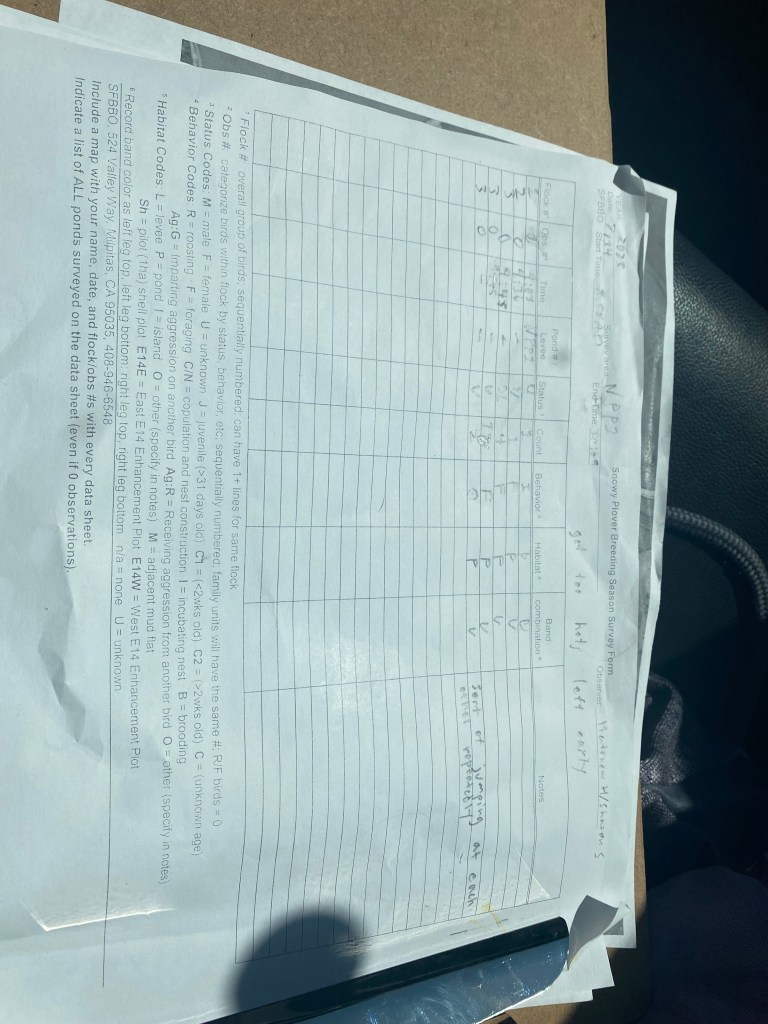
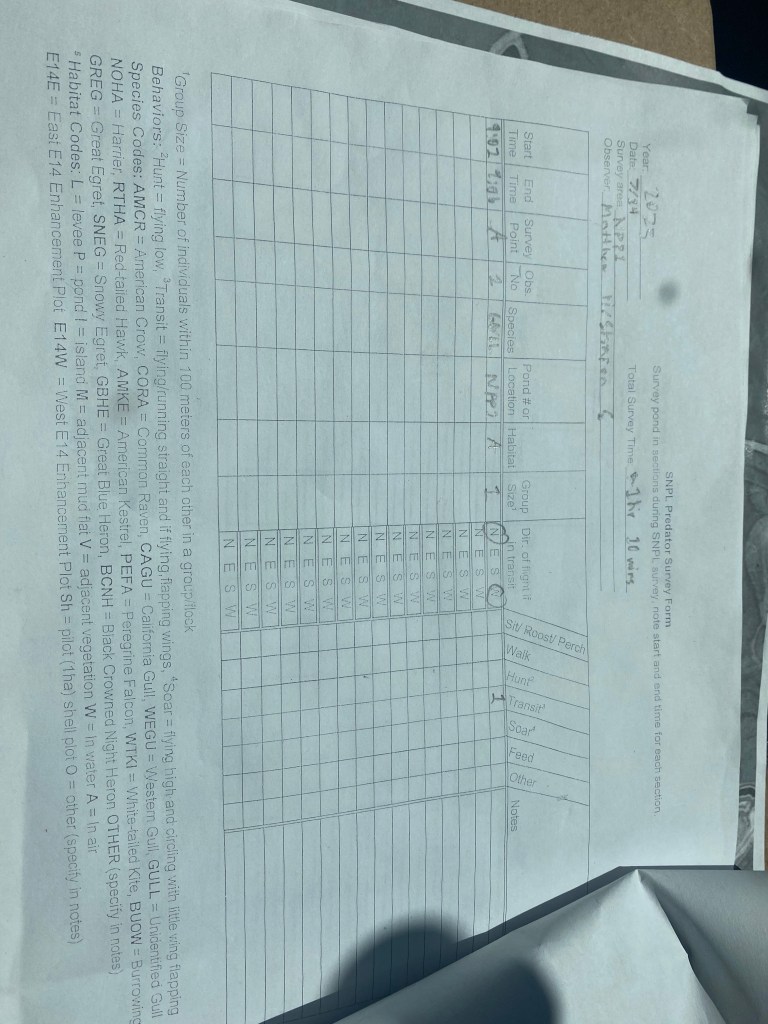
I also keep a record of threats like natural predators such as seagulls and hawks. Though I’ve never actually seen a hawk around here, just a lot of seagulls. 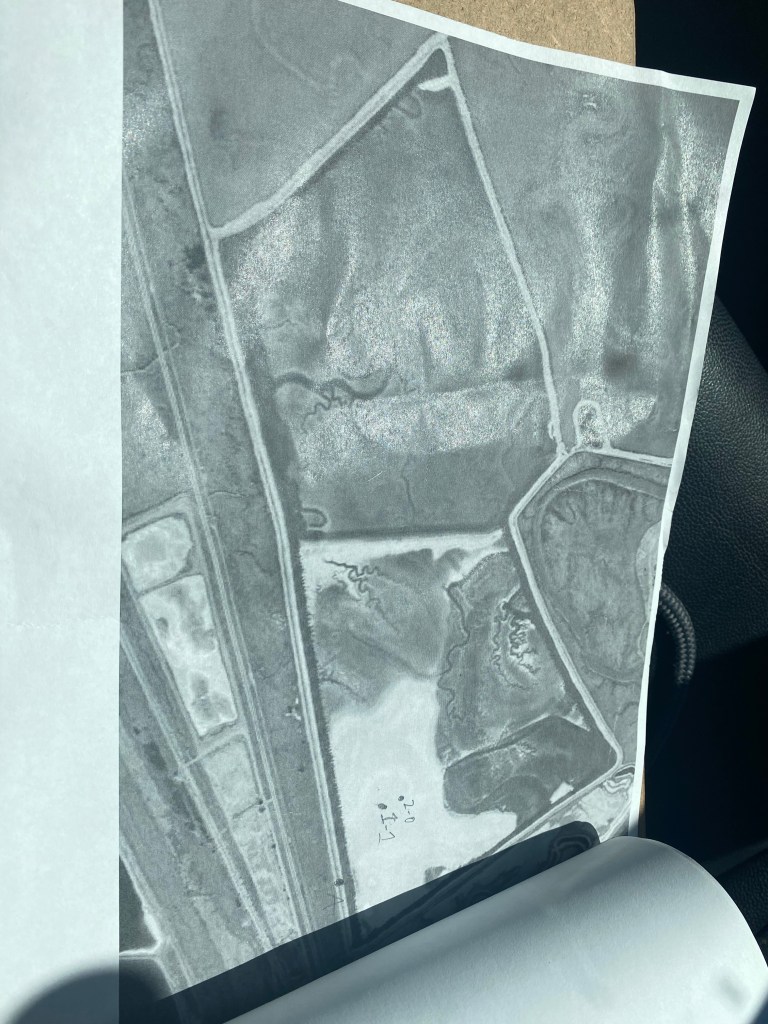
This data has and will be used by scientists and researchers to study and make predictions on plovers, like ways to increase their numbers and prevent them from becoming extinct and hopefully removing their status as threatened. 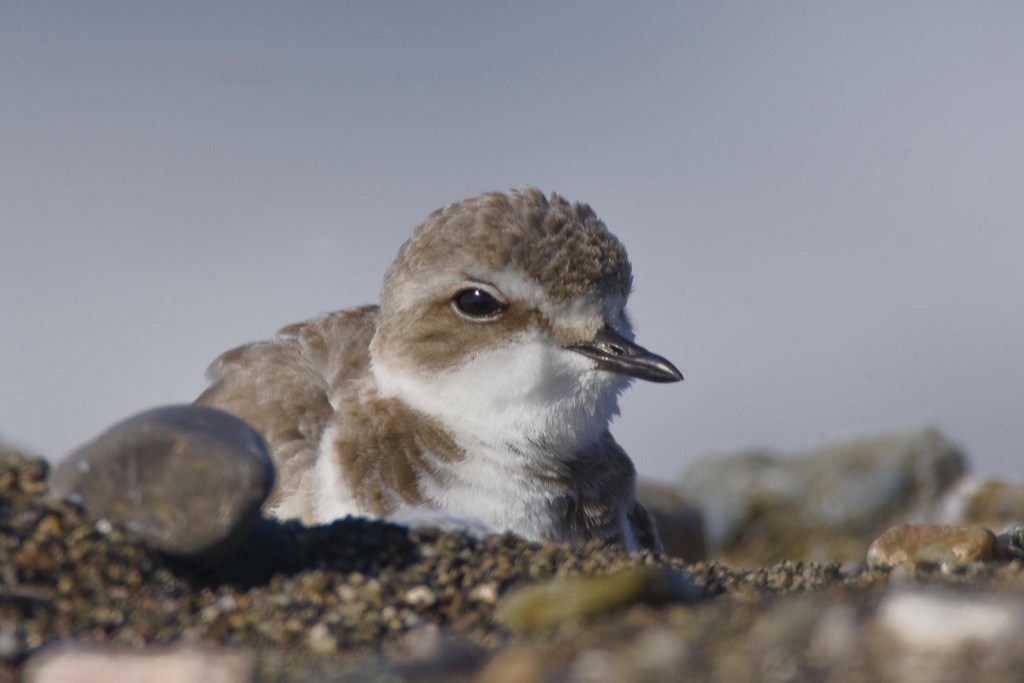
As of now, California governments and organizations have taken steps to buy salt ponds and beaches as Snowy Plover habitats to protect them from humans and their interference, restore their habitats, and restore populations. Some of these projects include the “South Bay Salt Ponds Restoration Project“ by the SF Bay Restoration Authority and the “Western Snowy Plover Habitat Conservation Plan” by Audubon. My best wishes go out to these cute fluffy birds. -
May 2023, Monitoring Herons and Egrets
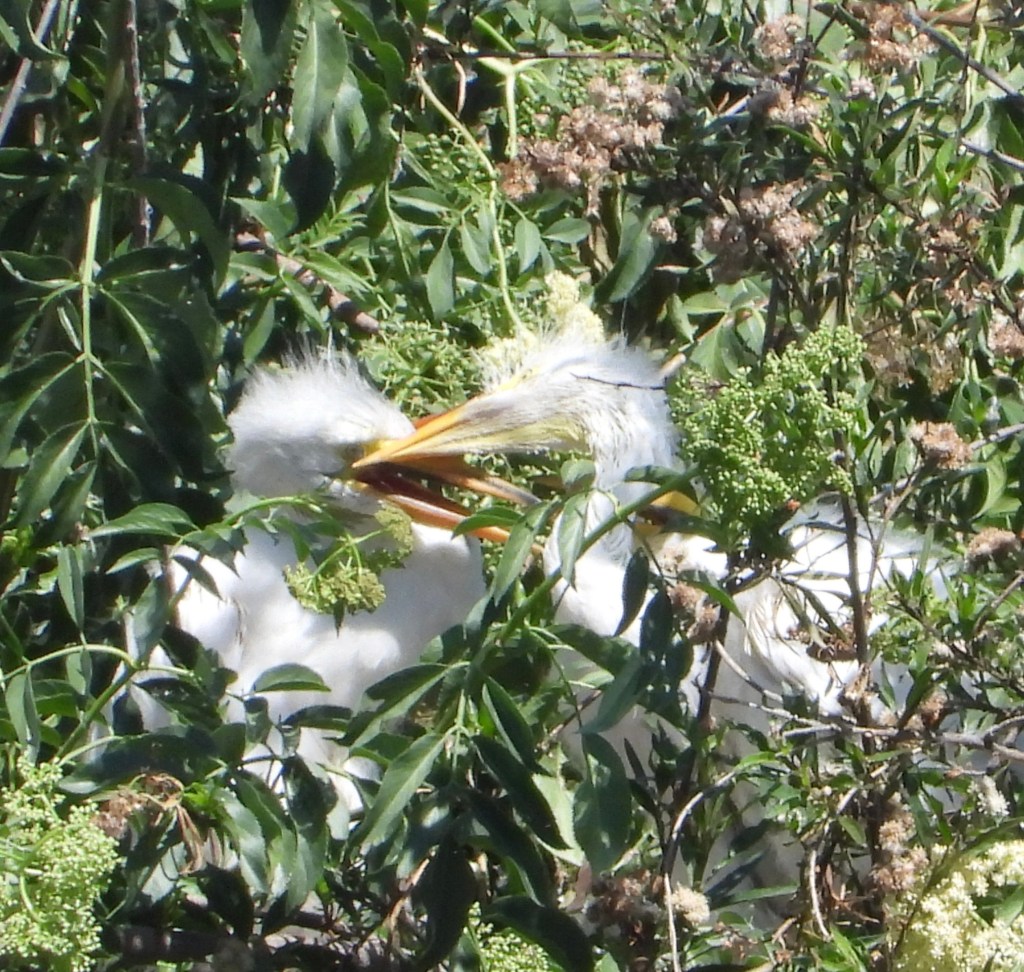
Time is running fast. Two weeks ago, no chicks had been seen. Now Chicks grow up such big.
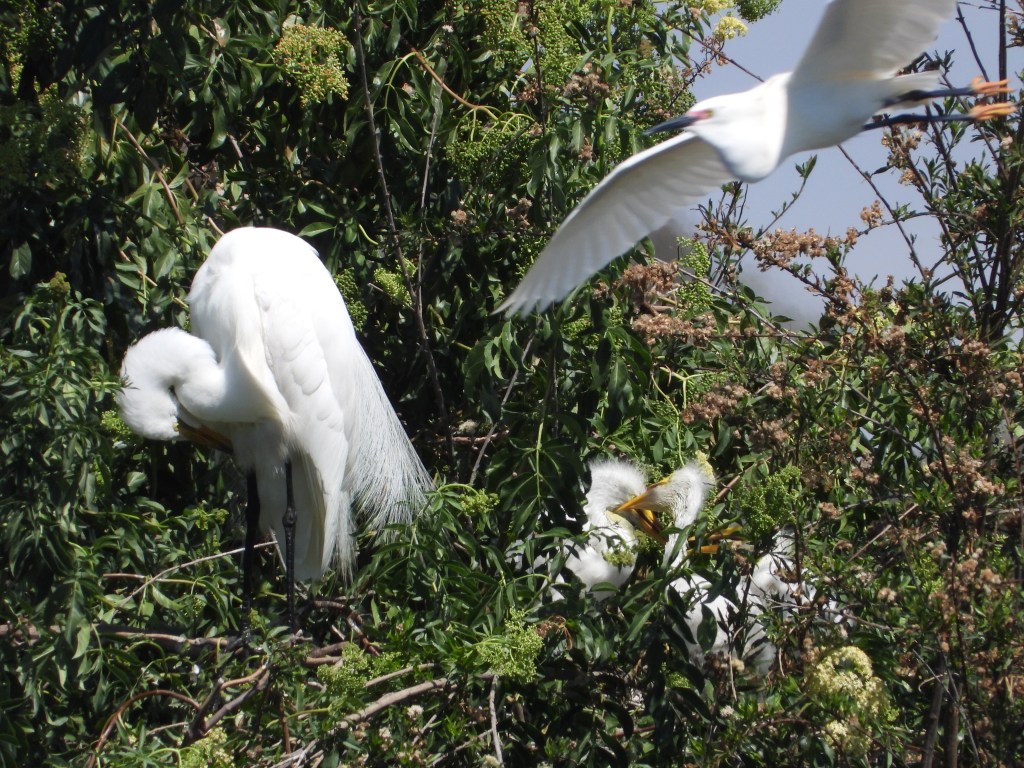
They need a lot of food. Their parents have to fly in and out to find food to feed them.
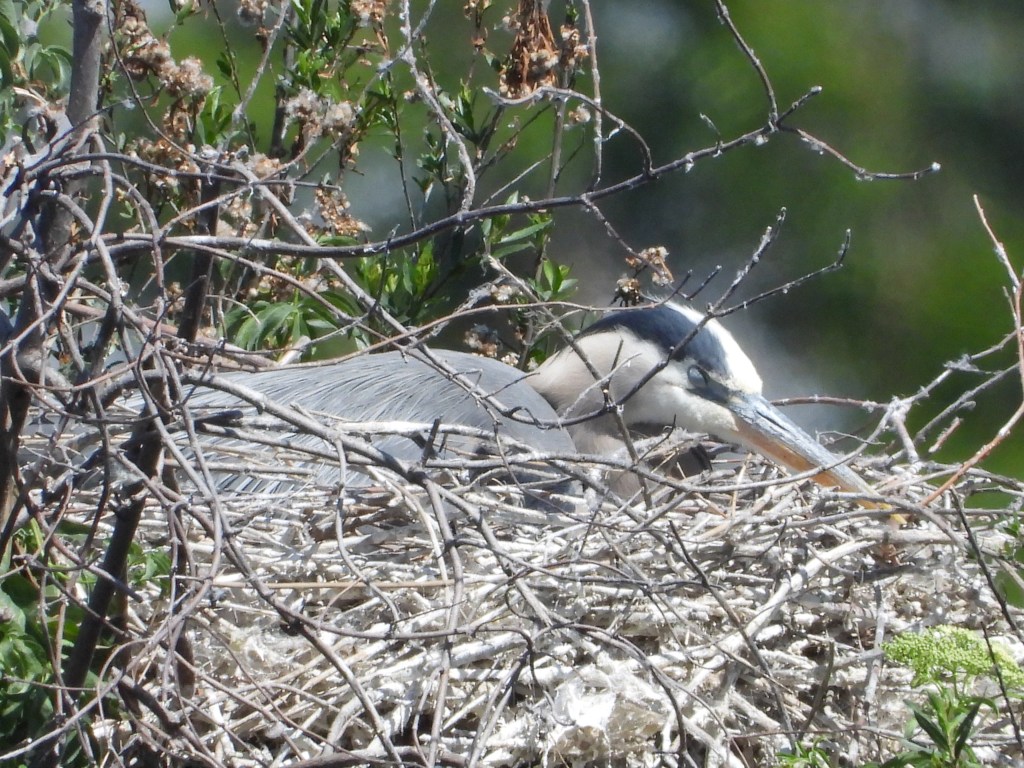
Great blue heron still hatching
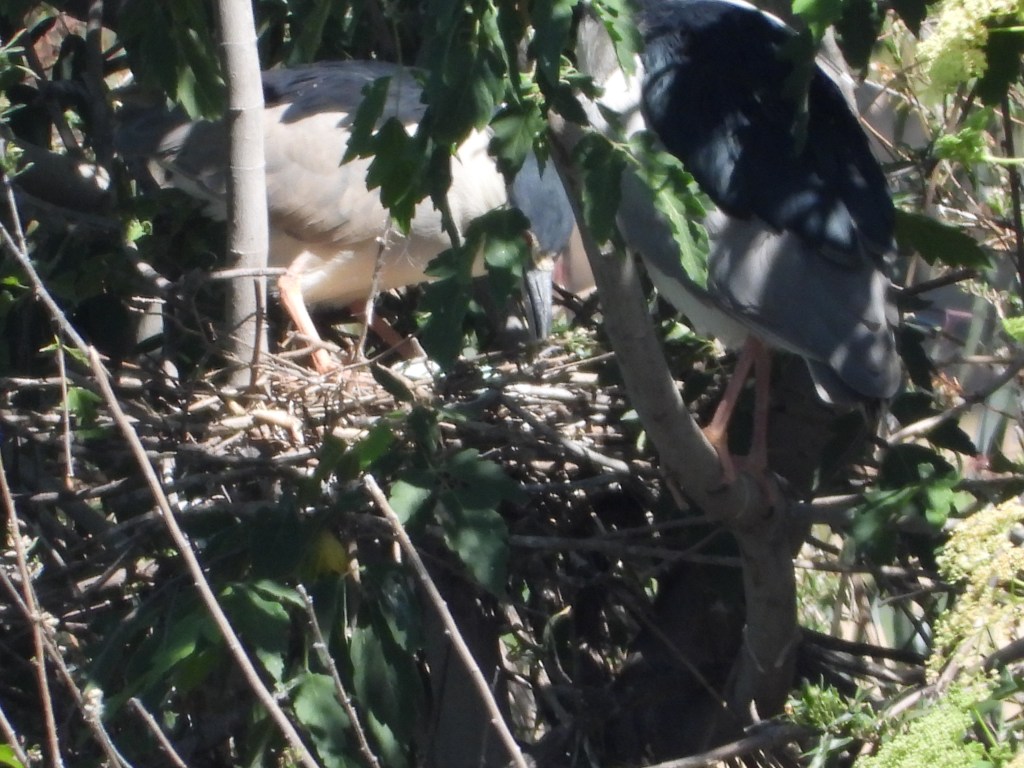
Two black-crowned night herons keep kicking something
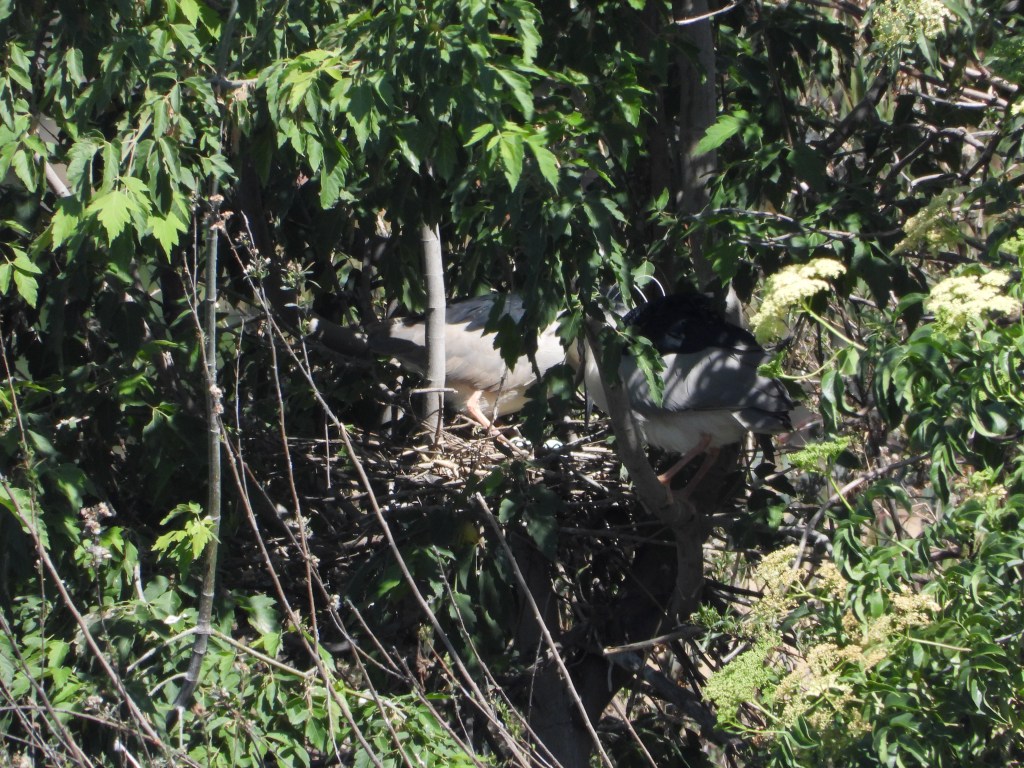
Take a closer look, they are rolling their eggs, increasing the temperature of the incubation
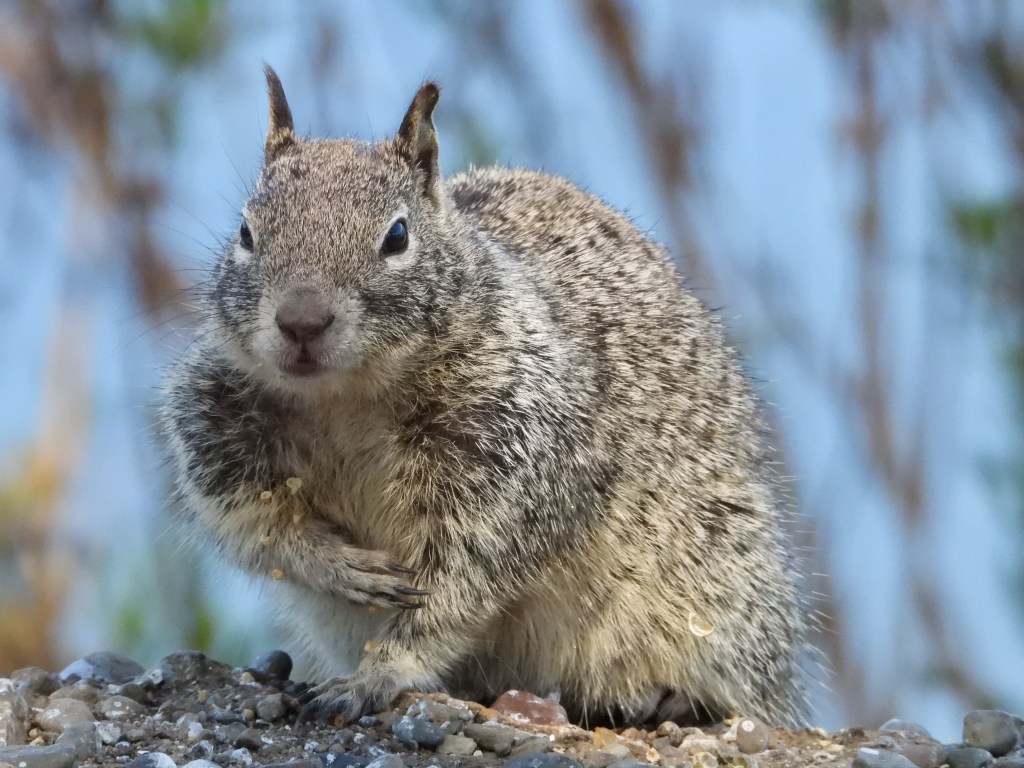
He probably thinks my bird watching is interesting, keep staring at me
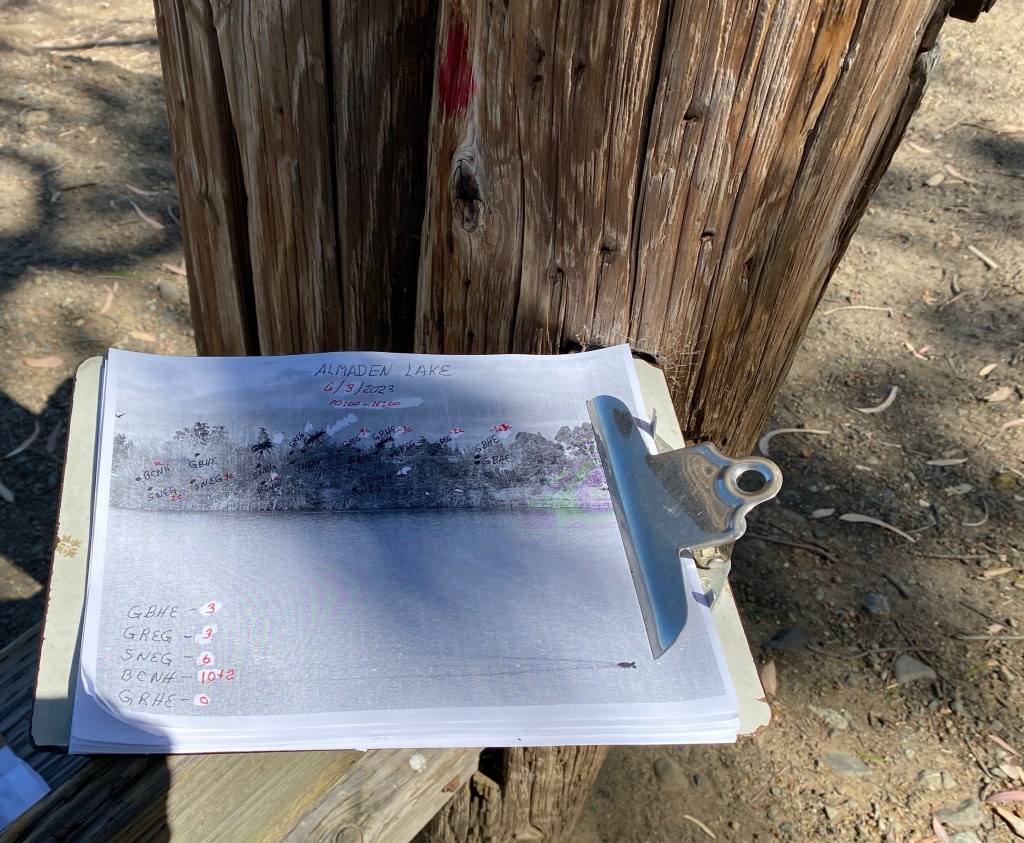
Record the data on the changes of various birds, and today’s work is completed.
-
Going all out!

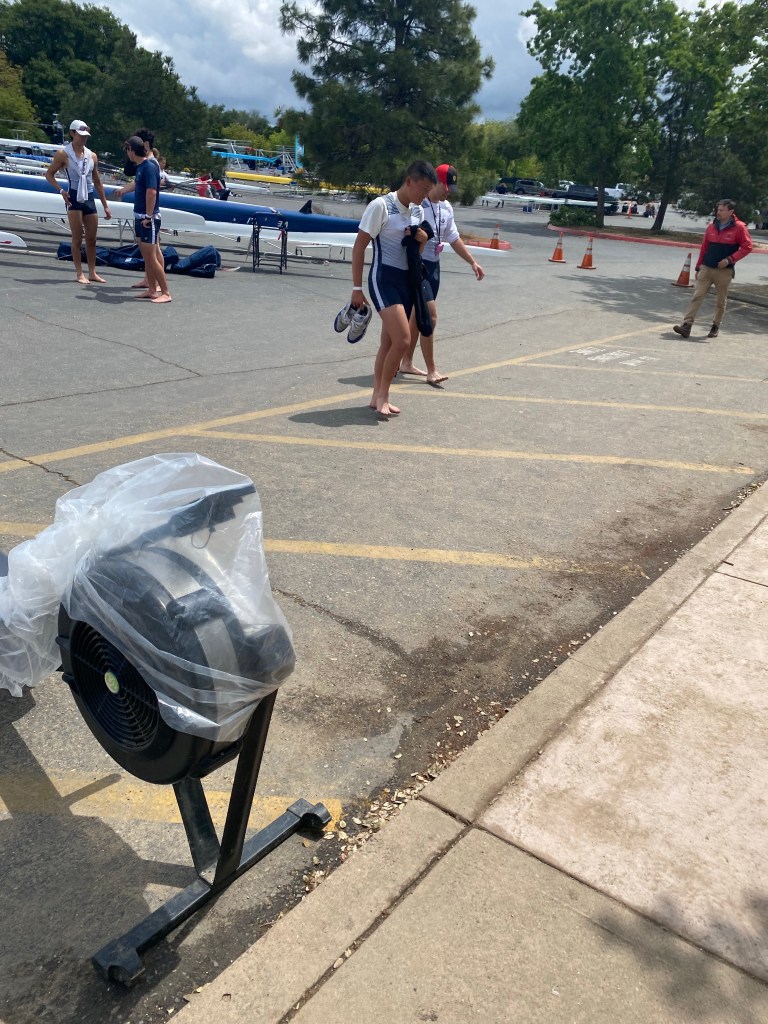
Going all out! This is the final and biggest regatta event of the year. All clubs from all over California come to lake Nomita to compete. The competition includes youth from ages 16 to 18. It is a little unfair, since our boat is all 16 year olds but we are competing against 17-18 year olds. Year after year of training and of competition has made us used to challenges like this. Before the competition started, 4 of us were encouraging each other. When the command sounded, our boat rushed out of the starting line. Everyone was trying their hardest and we were all in sync.
I felt my heart pounding as we went faster and faster. We crossed the finish line quickly. Our coach was proud of us, watching our entire year of hard work pay off at the years biggest reggata event.
-
Learning how to Monitor snowy plovers
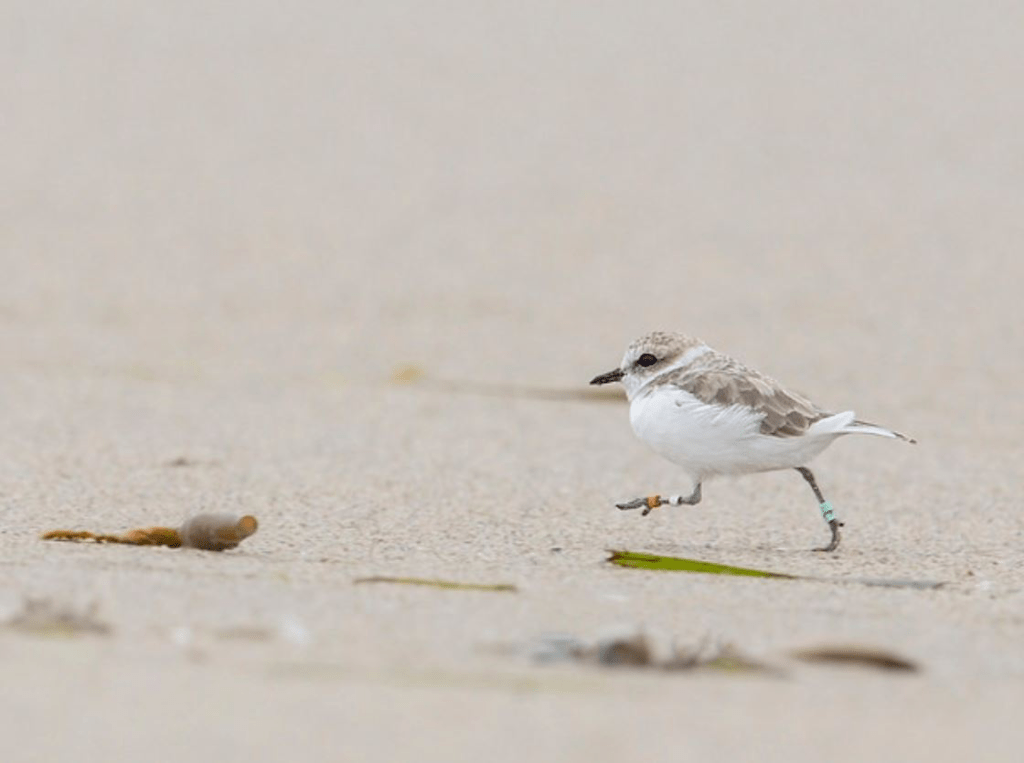
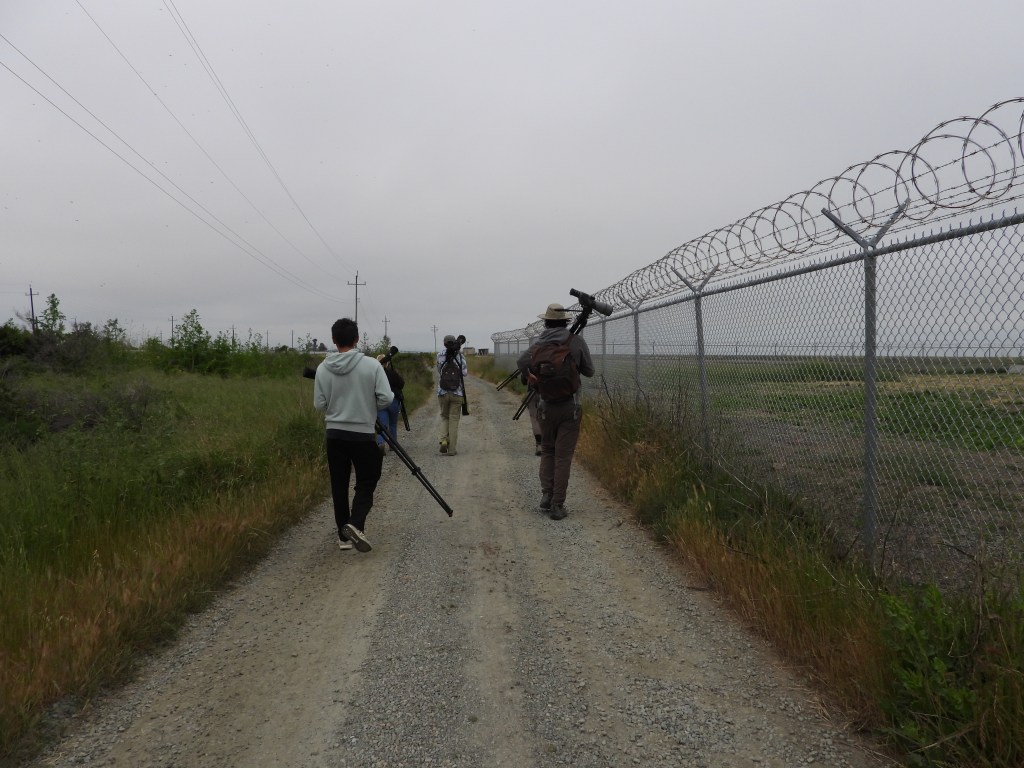
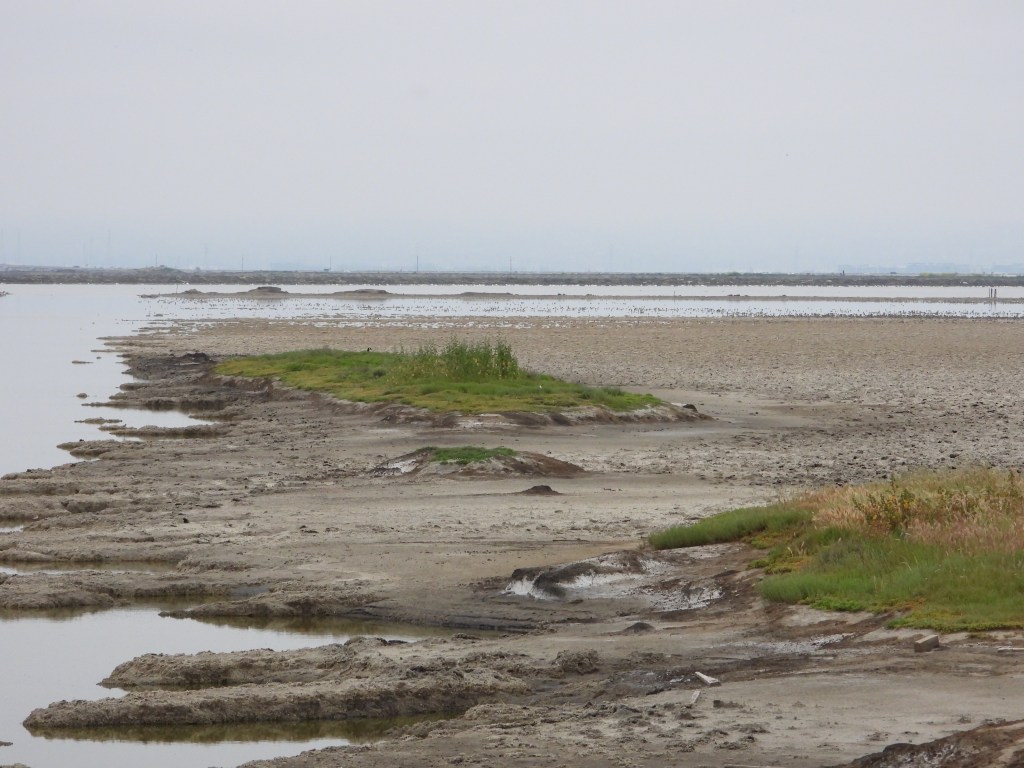
Ecologists and I came to a salty pond by the sea early on Saturday morning, and I am here for field training. I learn how to observe and record the snowy plover. The state government purchased these ponds and set them up as protected habitats for snowy plovers and terns every year. Shivering in the cold wind, I used professional binoculars to look for the snow plovers, staring into them closely. I finally found little white spots, the snowy plovers. They can clearly be seen in the professional telescope. The camera and telescope look like this
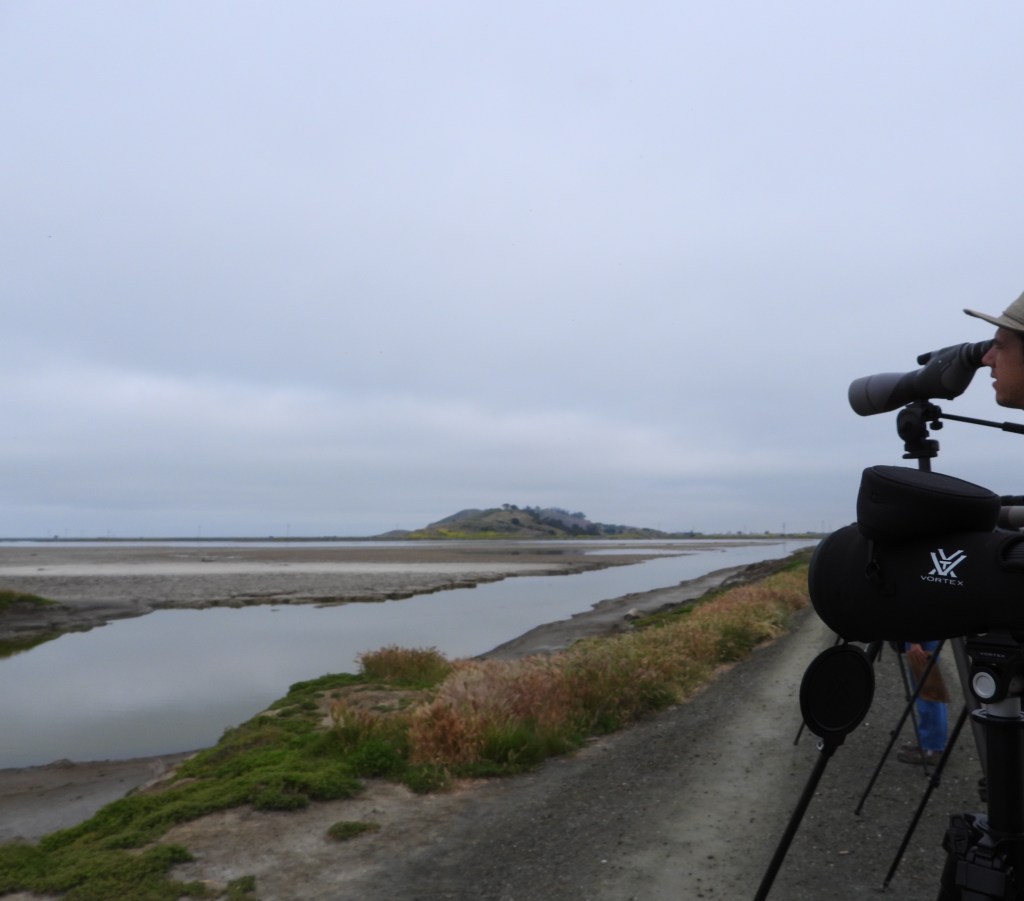
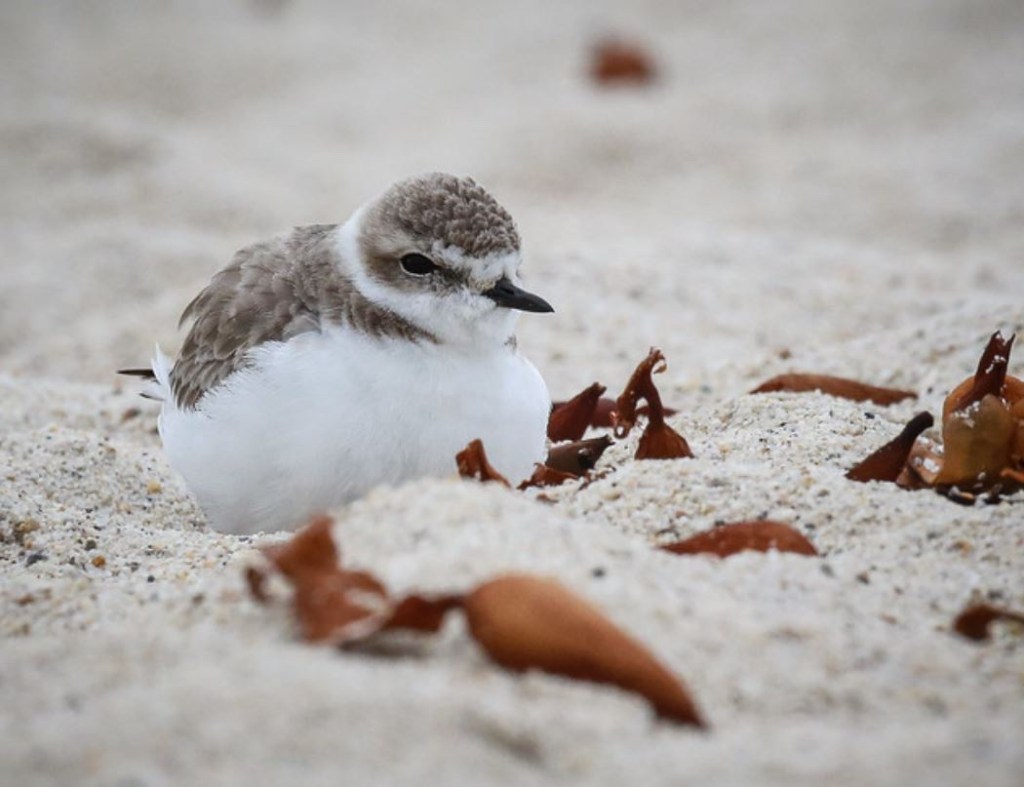
In the telescope, the snowy plovers like this(photo from SFBBO) The snowy plover is an endangered species that has decreased in population by 37% over the last 15 years. Protecting these large salty ponds is only for the seasonal breeding of the different snowy plover species.
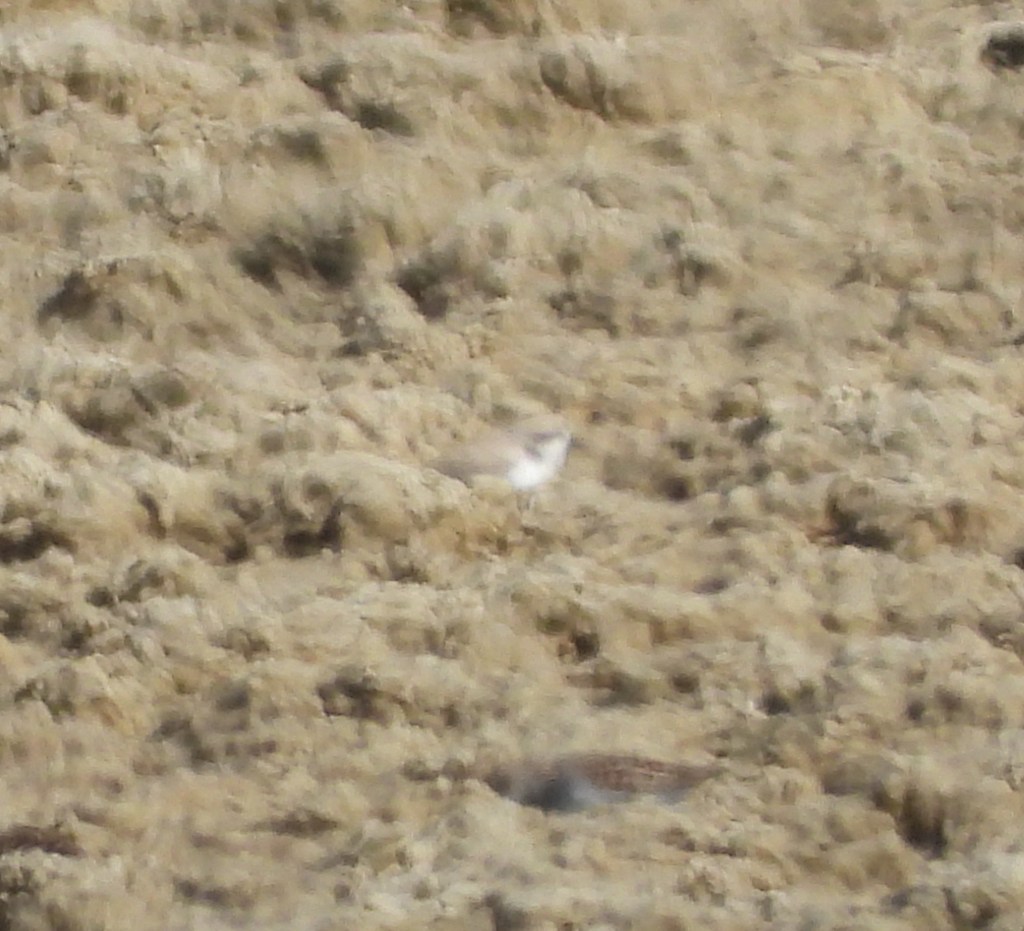
I need a new camera to more clearly take pictures of snowy plovers moving in the wild. 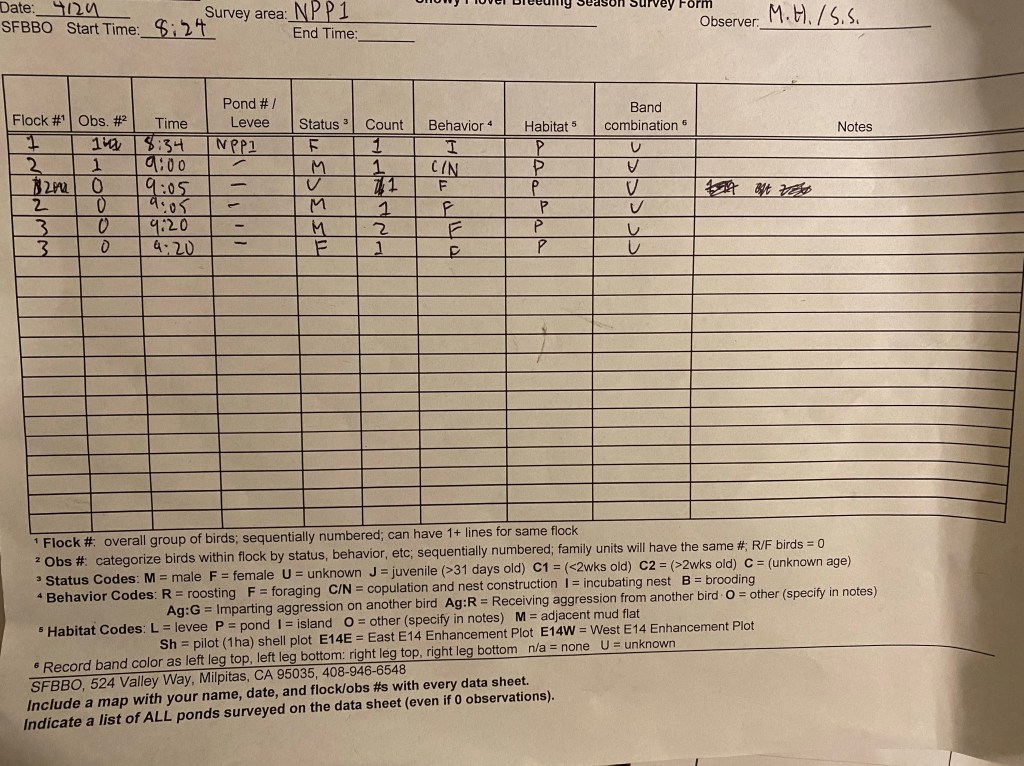
Recorded snowy plovers activities carefully and datas are so important to restoring plovers projects. The U.S. Fish and Wildlife Service has set goals to restore plover numbers throughout the region. In addition, the South Bay Salt Pond Restoration Project, a 50-year effort to return half of the Bay’s salt ponds back to tidal marsh, has also established goals to increase plover numbers in the Bay Area.
-
Monthly twice Habit restoration
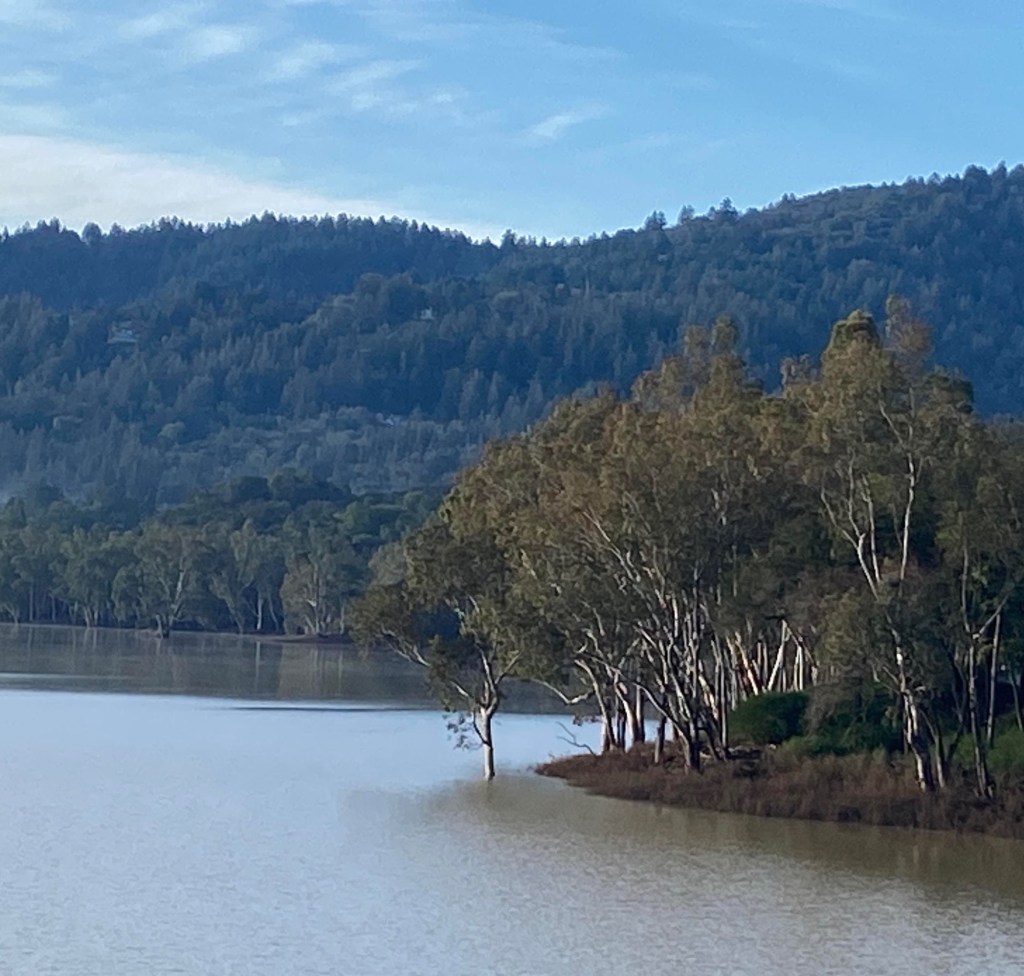
It’s the season of bird breeding again. The weather turns warmer, allowing birds to comfortably nest in the Bay Area. Food is plentiful here for them, and we are tasked with removing evasive plants that aren’t native to the area and can’t be eaten by the birds. I rise up early in the morning to come to the habitat to pull weeds. This winter, California got flooded by a torrential downpour of rain. The trees on the shore’s edge are submerged by water, with their stump hidden below the surface.
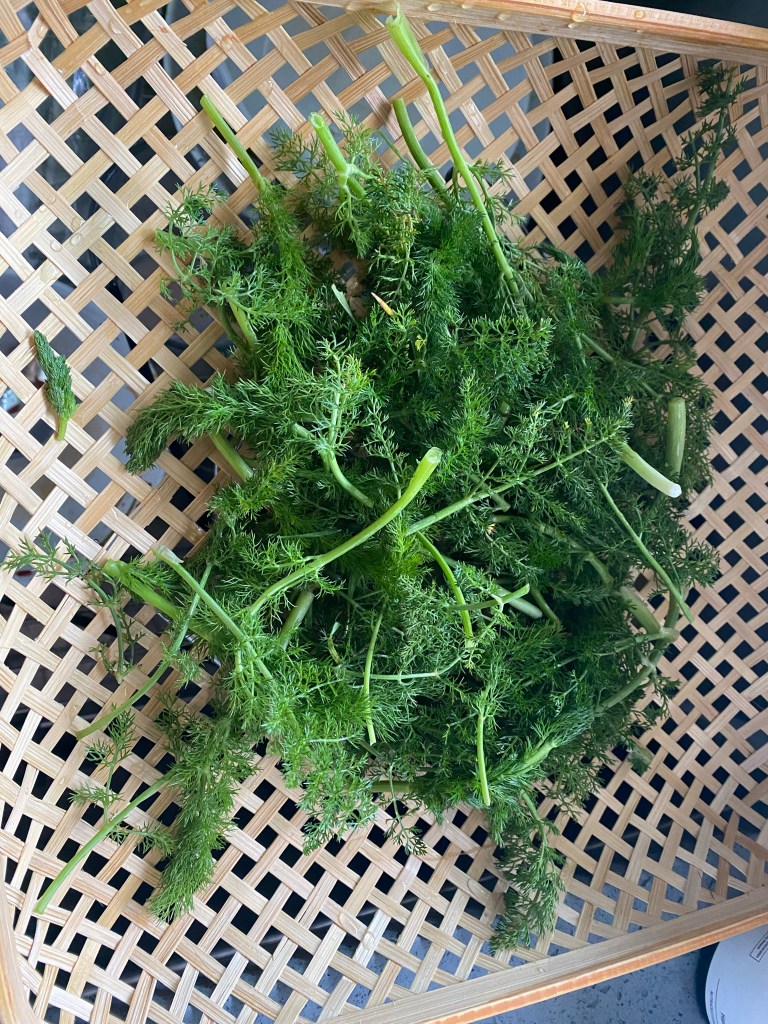
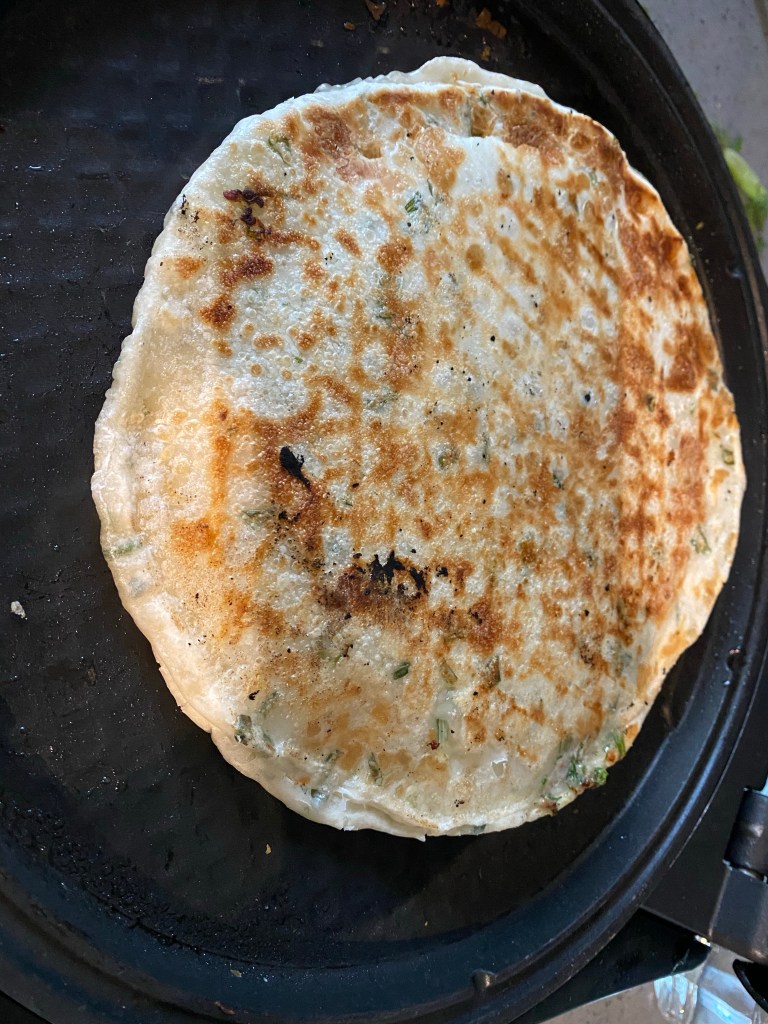
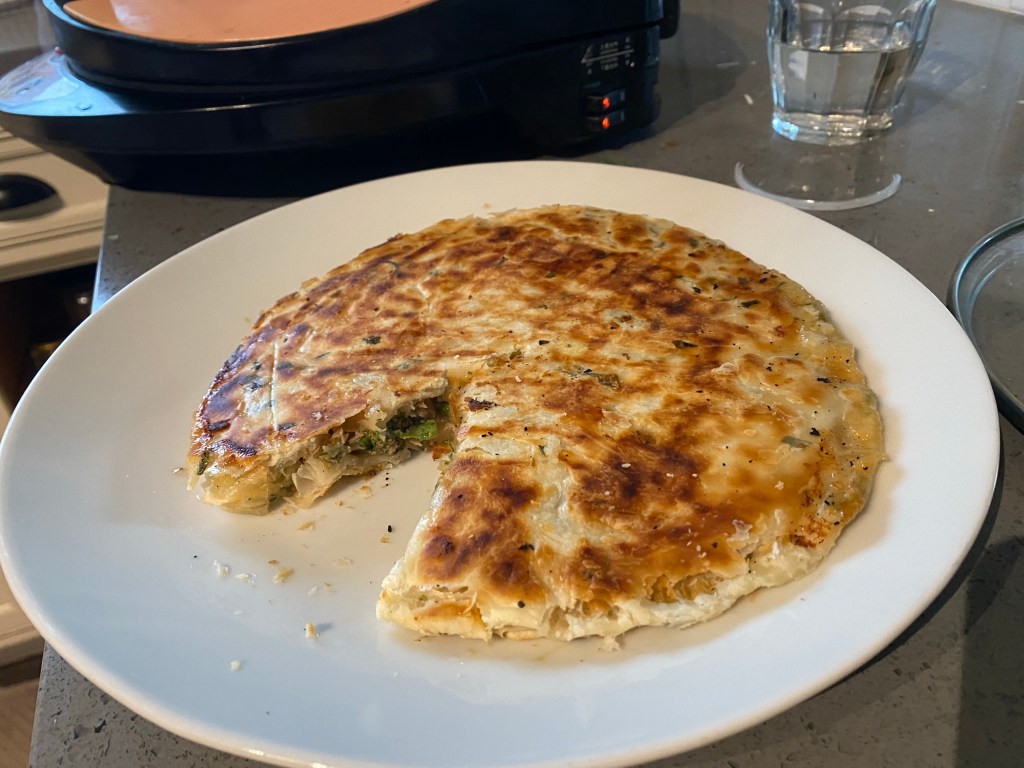
My team started our work, removing invasive plants like fennel. It’s roots are intertwined tightly in a complex network. It’s nearly impossible to completely prevent them from regrowing, so we focus on limiting its expansion so that the native foliage has a chance. The fennel looked fresh, so I picked some to take them home and make pies with it. We have it to friends and family, who loved the taste of the pies we made. There are certain foods we love that birds can’t eat.
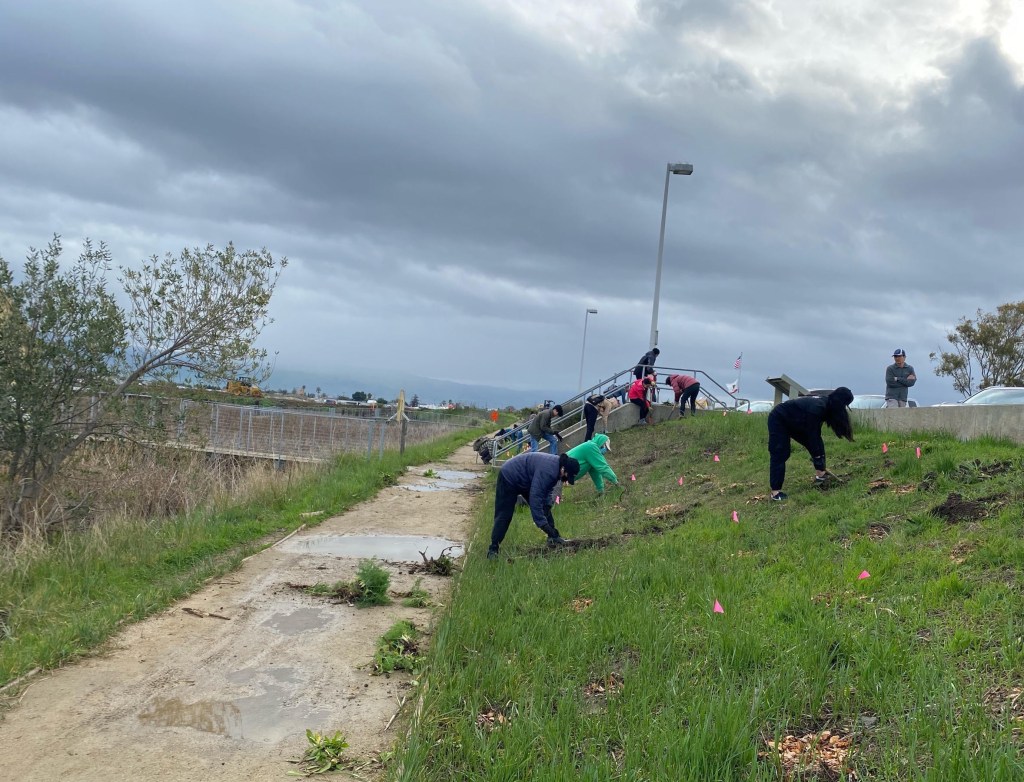
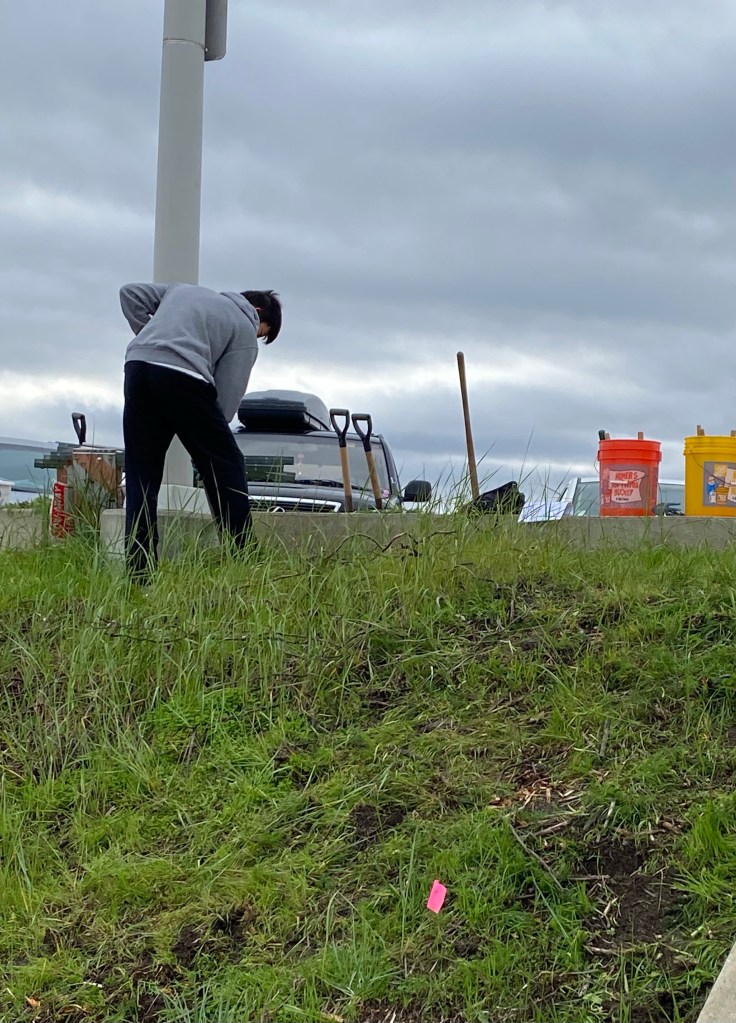
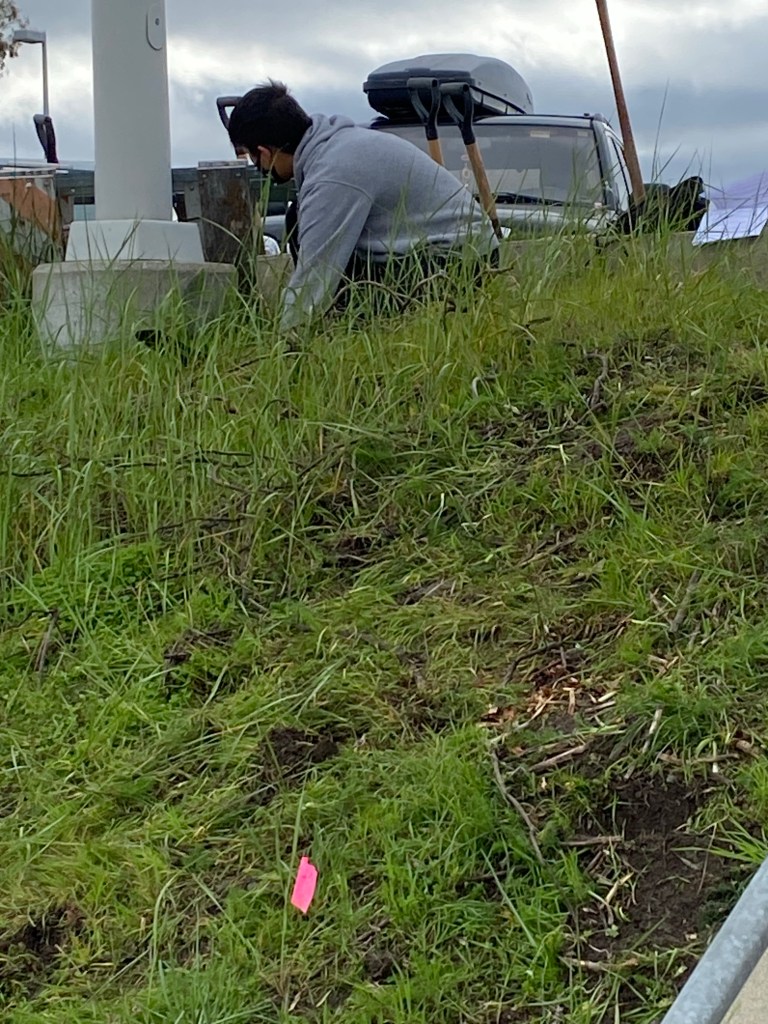
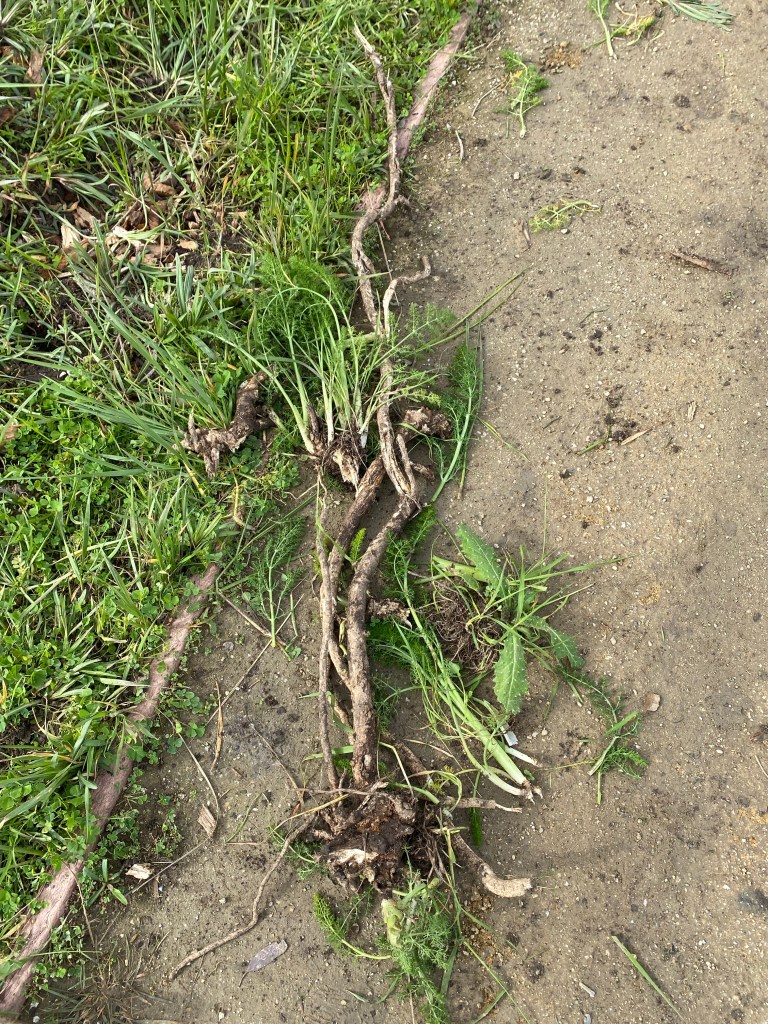
On the way home, it started hailing, which almost never happens in the bay. We were surprised by the hail. When we got home, we processed the fennel to start making pies. It’s interesting that in the cycle, we eat the fennel while the birds choose other foods to nourish themselves. I hope our efforts will improve the nesting and nutrition of the birds in the bay.
-
2023 Spring Monitoring birds for SFBBO during breeding season
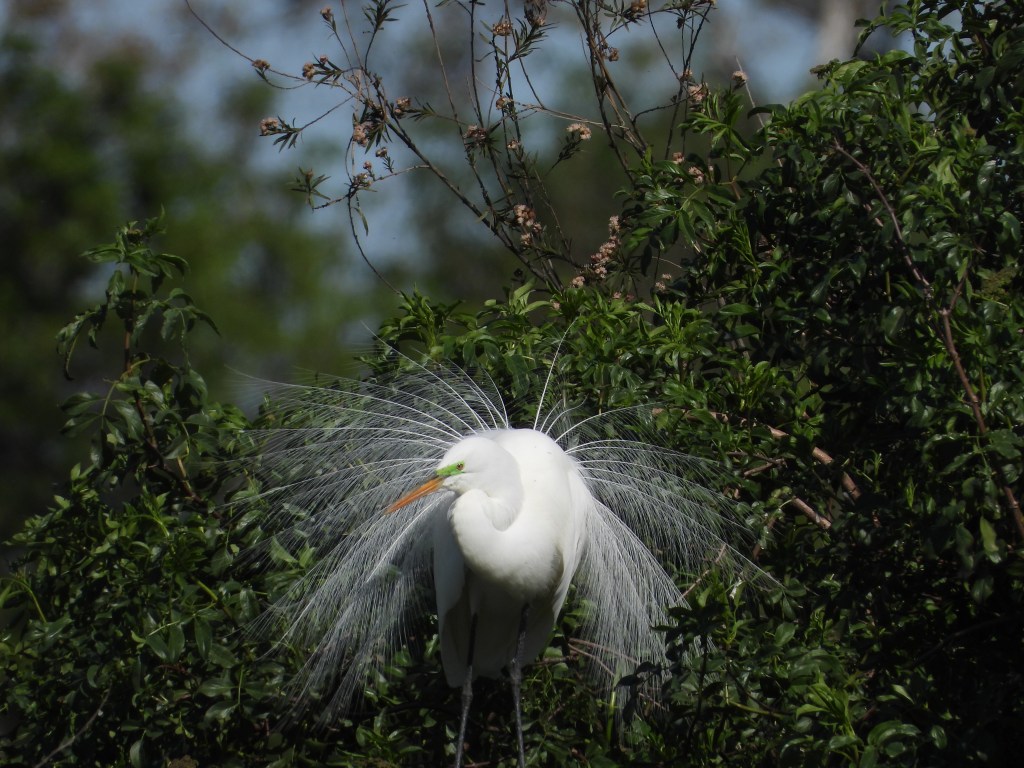
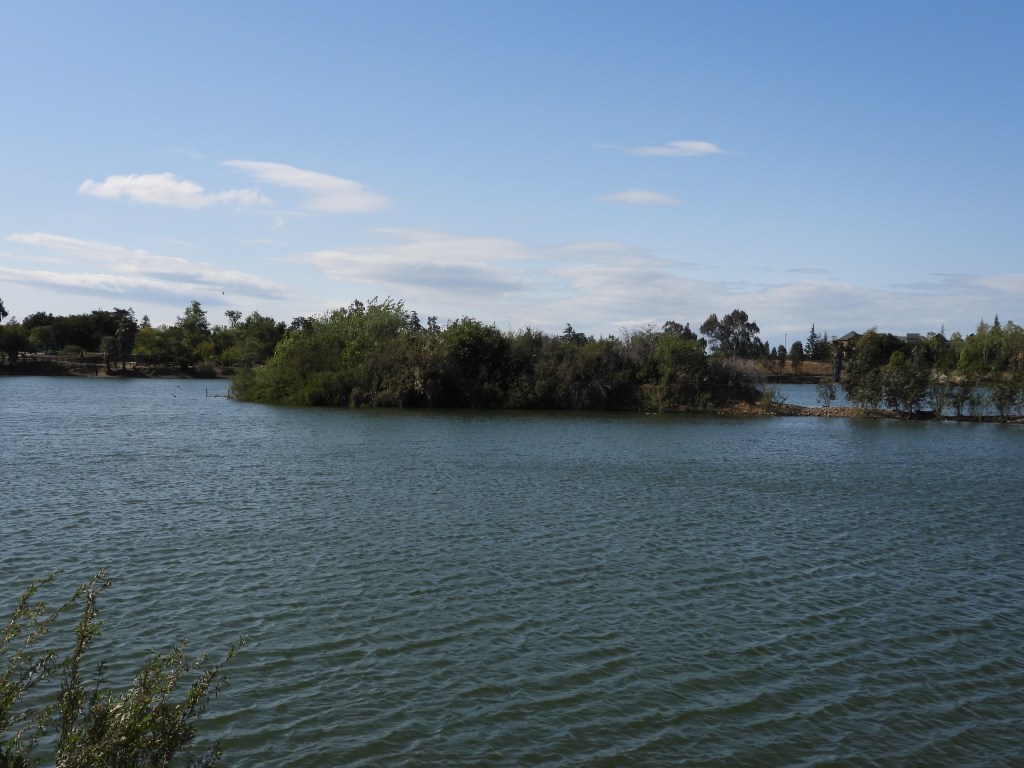
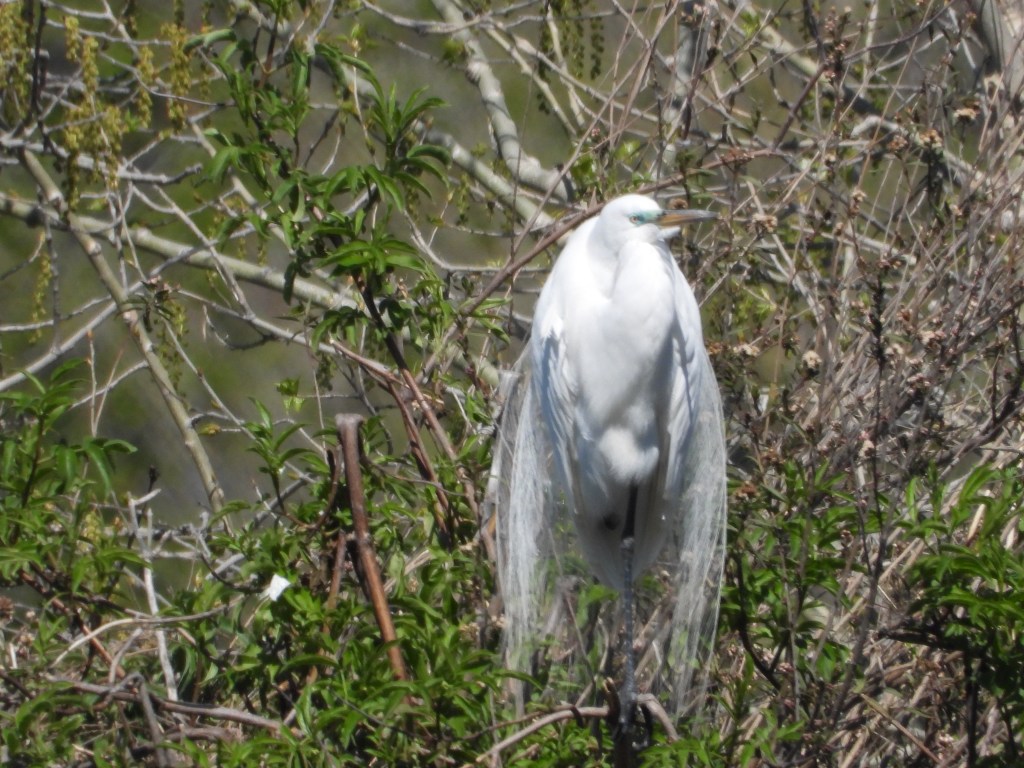

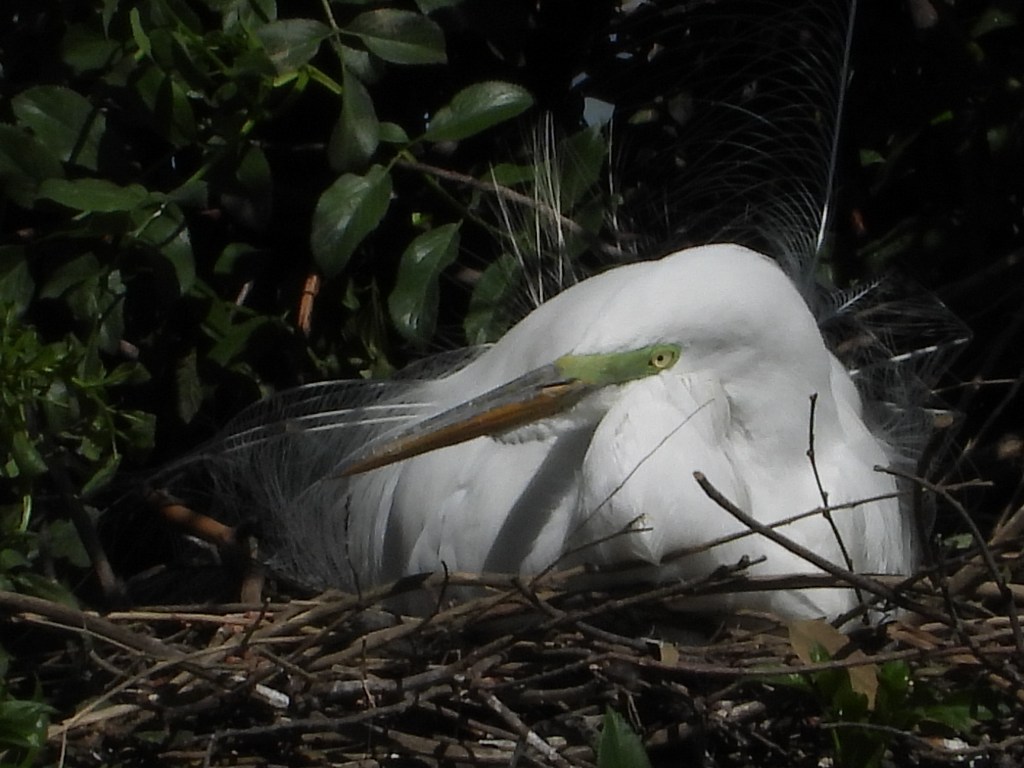
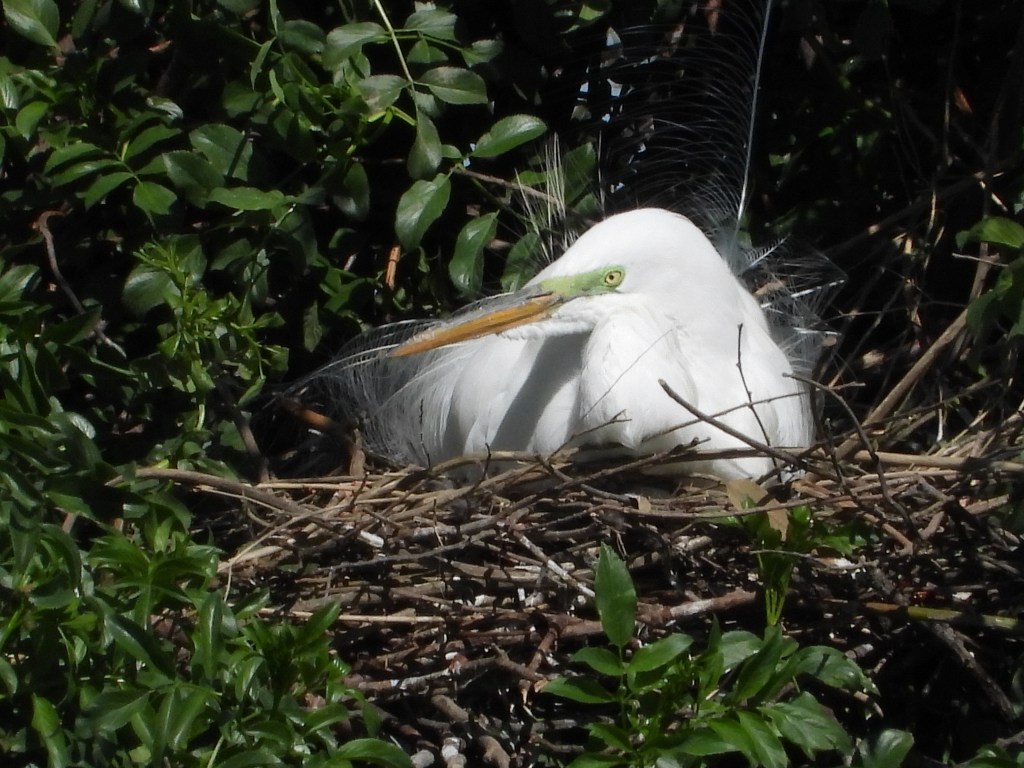
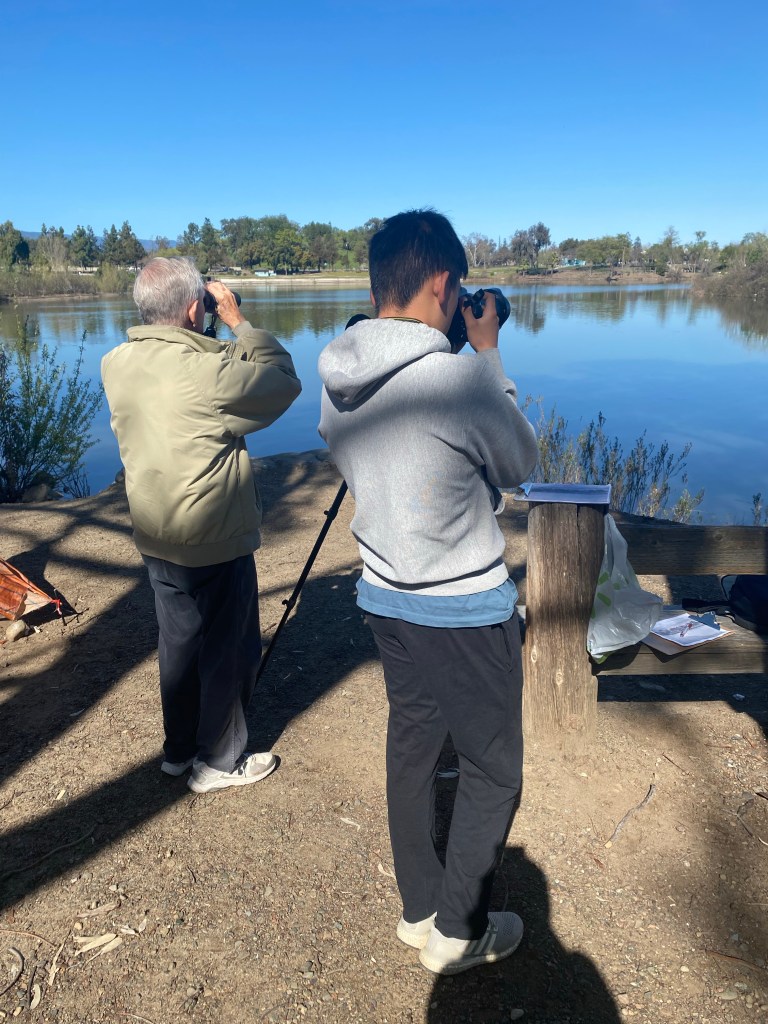
The island in the middle of the lake is the habitat for many birds. Once a year, egrets, great egrets, great blue herons, and black-crowned night herons gather here to breed. The white spots that dot the tree line this time around are the egrets, and the bird monitoring season has begun. Thu great egret stands on the branch like a goddess in the sculpture. The breeze blows and the feathers ruffle like a wave. The female heron has already started to incubate her eggs like a patient and good mother. The black-crowned night heron also comes in and out, busy feeding its young. I’ve been doing work with environmentalist Larry to help him record data on various birds. Larry is nearly eighty years old, already past the age of retirement. But he’s still doing his best for bird protection organizations out of passion. It’s very heartwarming to see. From the records, the number of birds of various types that come here to reproduce is increasing every week, and it is about to enter the peak period. I hope to see more little egrets and herons this year.
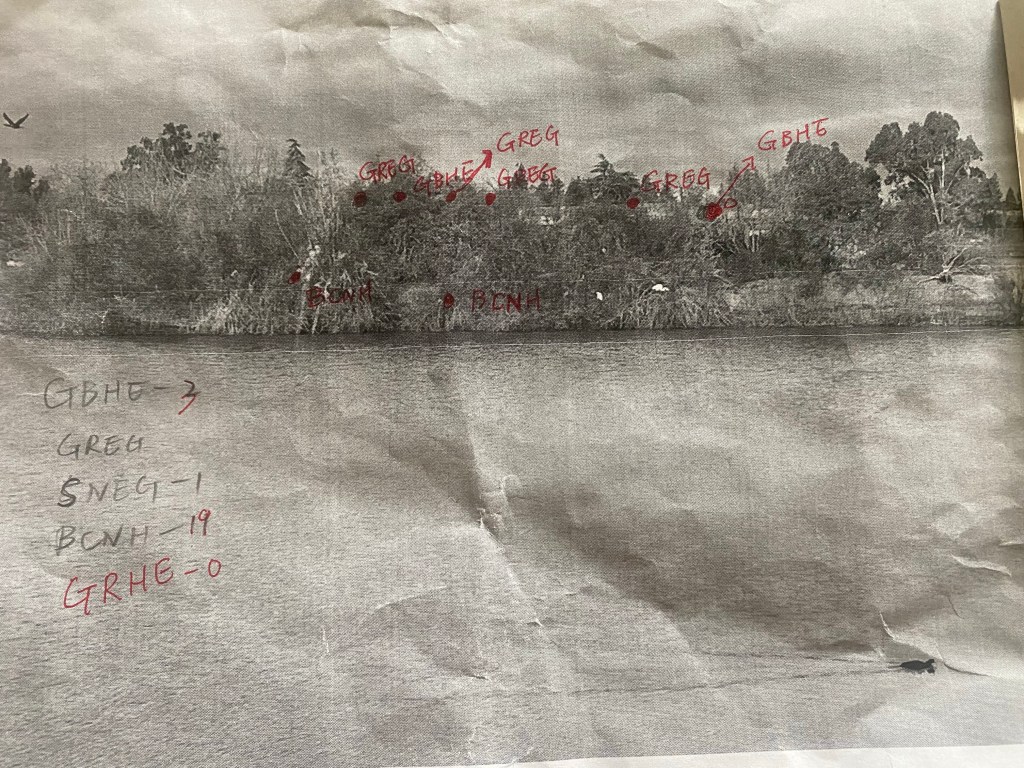
-
A recycling suggestion to the mayor
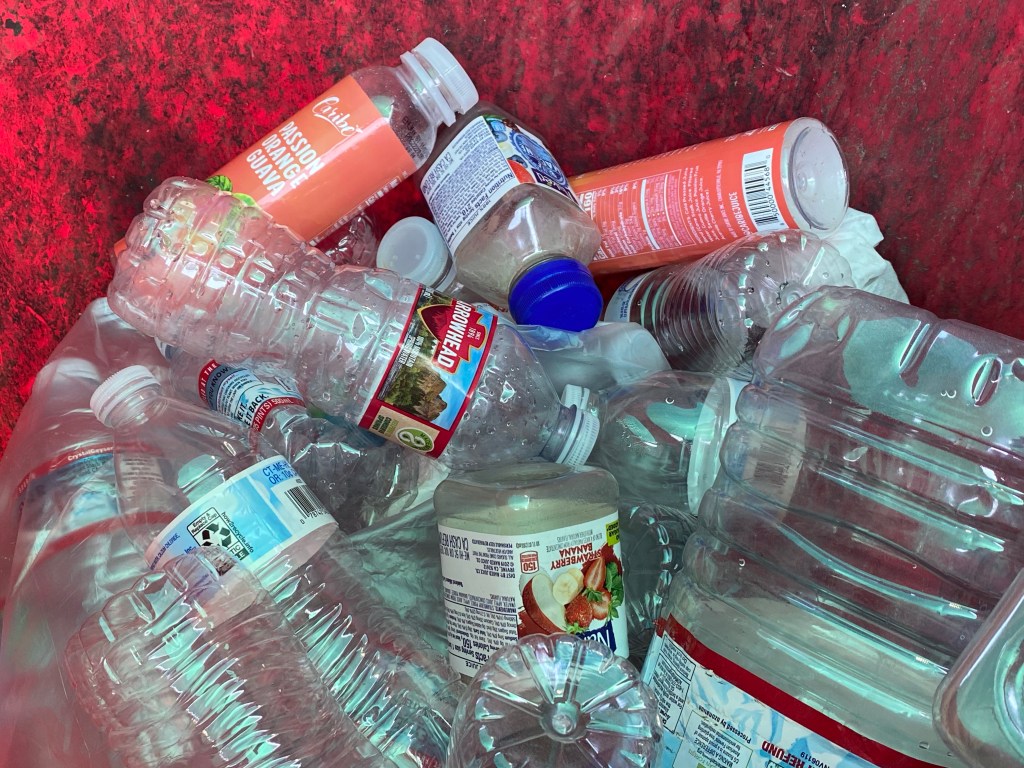
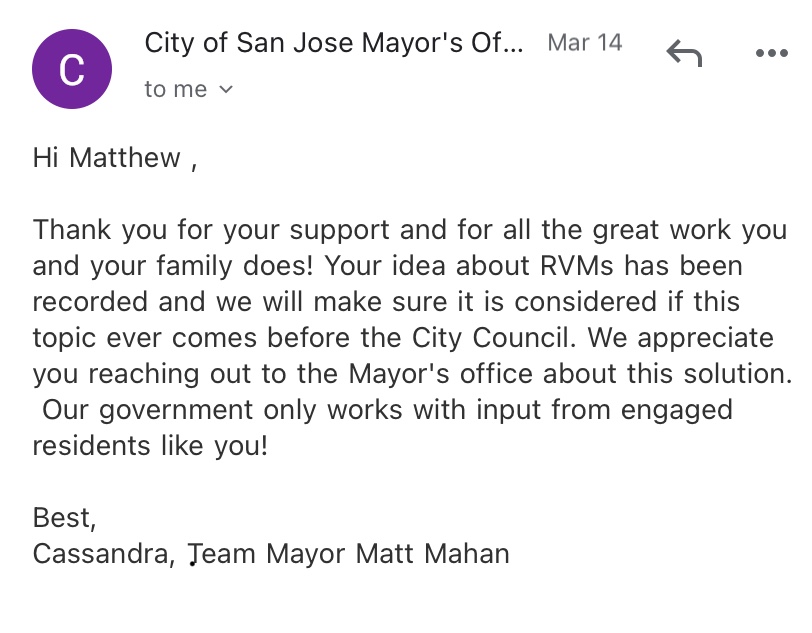
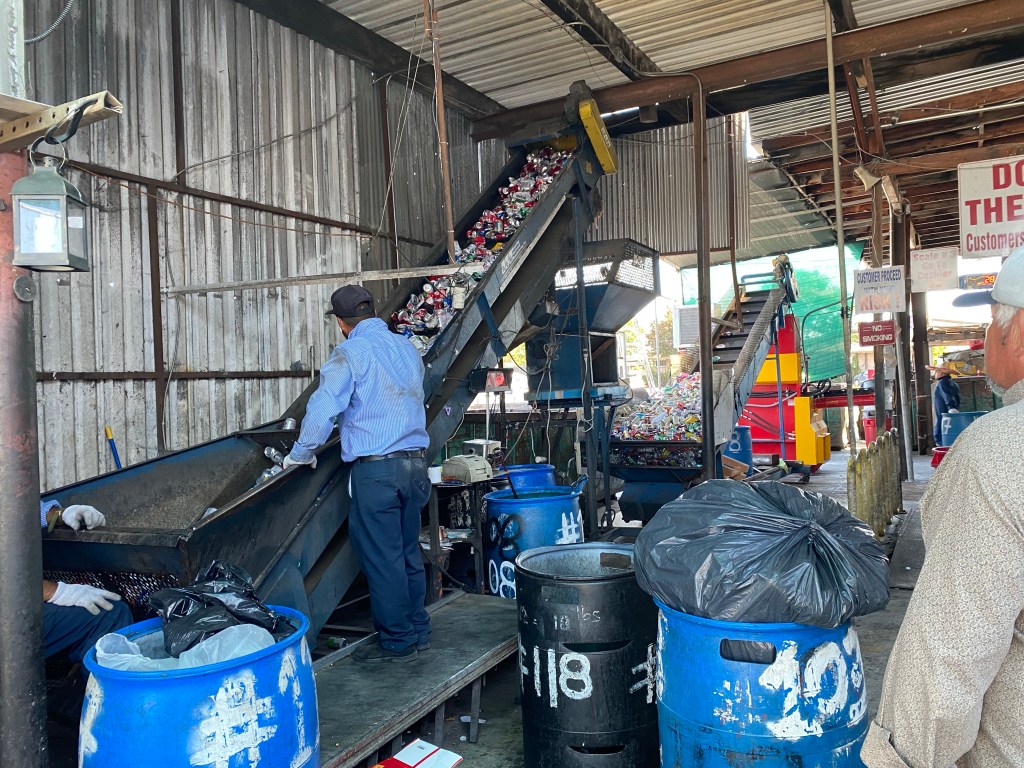
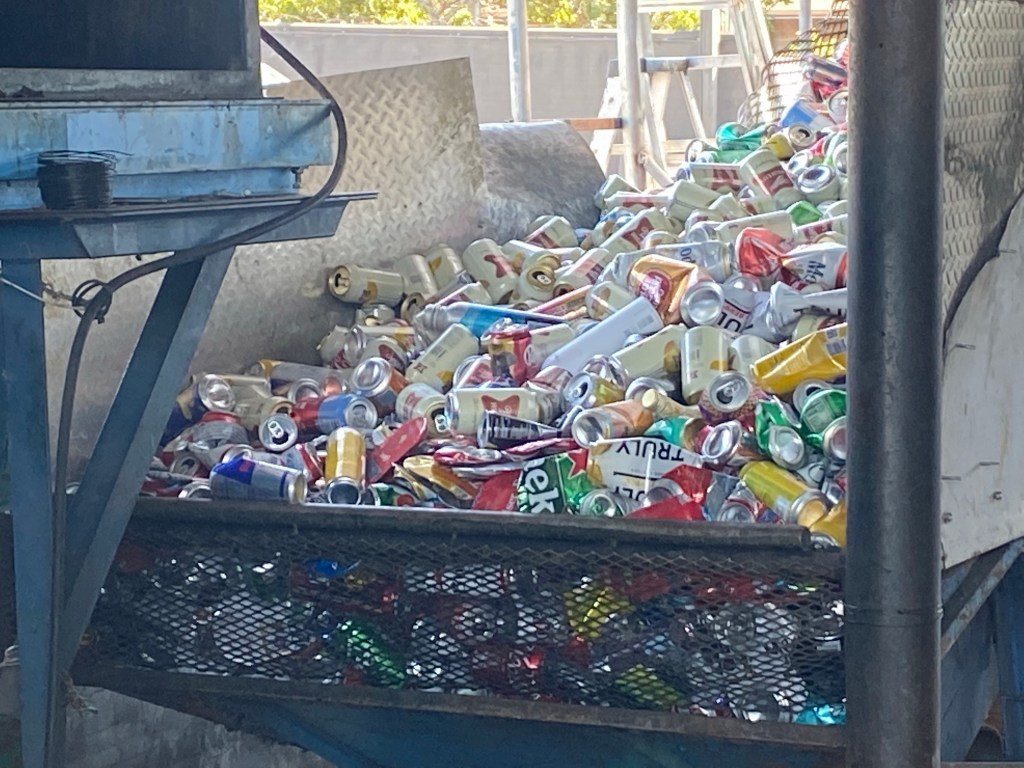
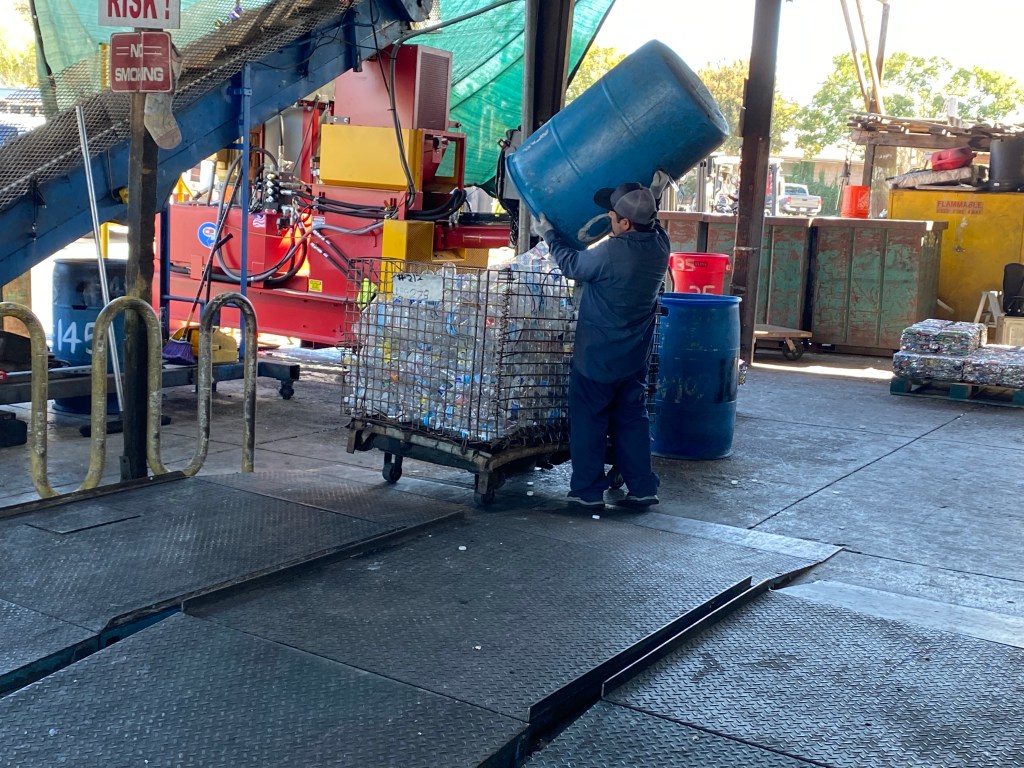
Fundraising is not easy. I think knocking on doors asking for money is not better than asking for recyclable empty bottles and aluminum cans. Then send them to the recycling center to exchange for money. Because of their low price, I had to collect a large number of them. the originally only a few neighbors supported me and later it grew to more than two dozen. But I found a problem. Many people don’t segregate garbage and recycling, directly throw recyclable bottles and cans into the trash cart. I can’t accept this kind of behavior, but I can’t do anything about it. After thinking for a long time, I finally came up with a solution. Write an email to our new mayor, hoping that he can set up a reserve vending machine at the entrance of each large supermarket. People can take recyclables to exchange for money when shopping. In this way, everyone will be motivated to recycle. After sending the email for a while, his team member replied. Saying they take my suggestion seriously and recorded it. Try to discuss this at the next city council meeting. I’m so happy, it seems that if you find any problems in the future, you can directly write an email to the mayor to respond. Thanks to the mayor and his team.
-
2022 October fundraising for birds
One of the best ways for the SF bird observatory to continue what they do is fundraising. I have loved taking photos of birds ever since I was young.
I took photography courses in junior high school and joined the filming club in high school. My photography skills are getting better and better.
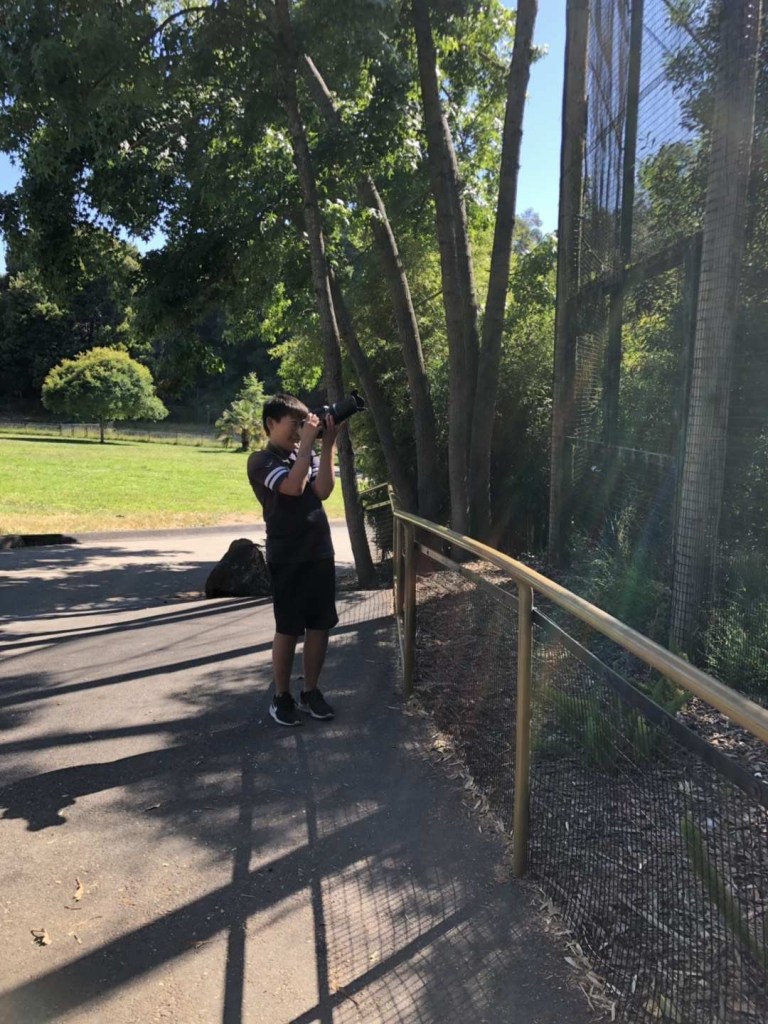
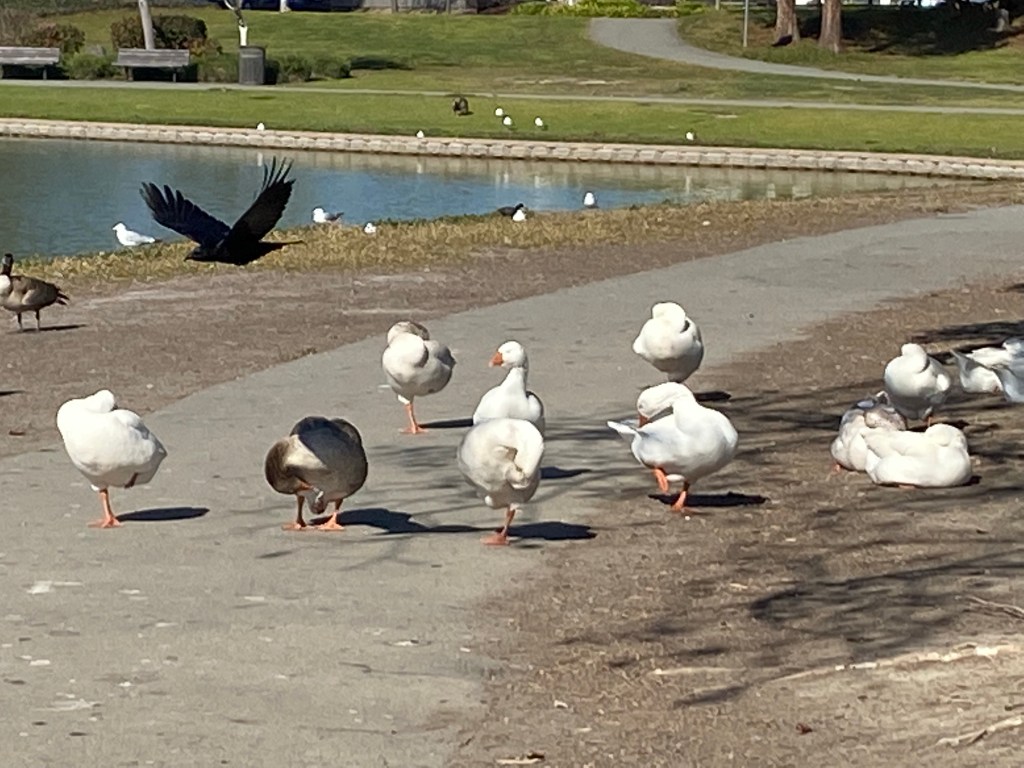
But my main preference for photo taking was birds. When you look at the birds through the camera lens, their agile body movements and chirping language are all conveying various information. After looking at them for so long through the camera, I feel like I can slowly understand them.
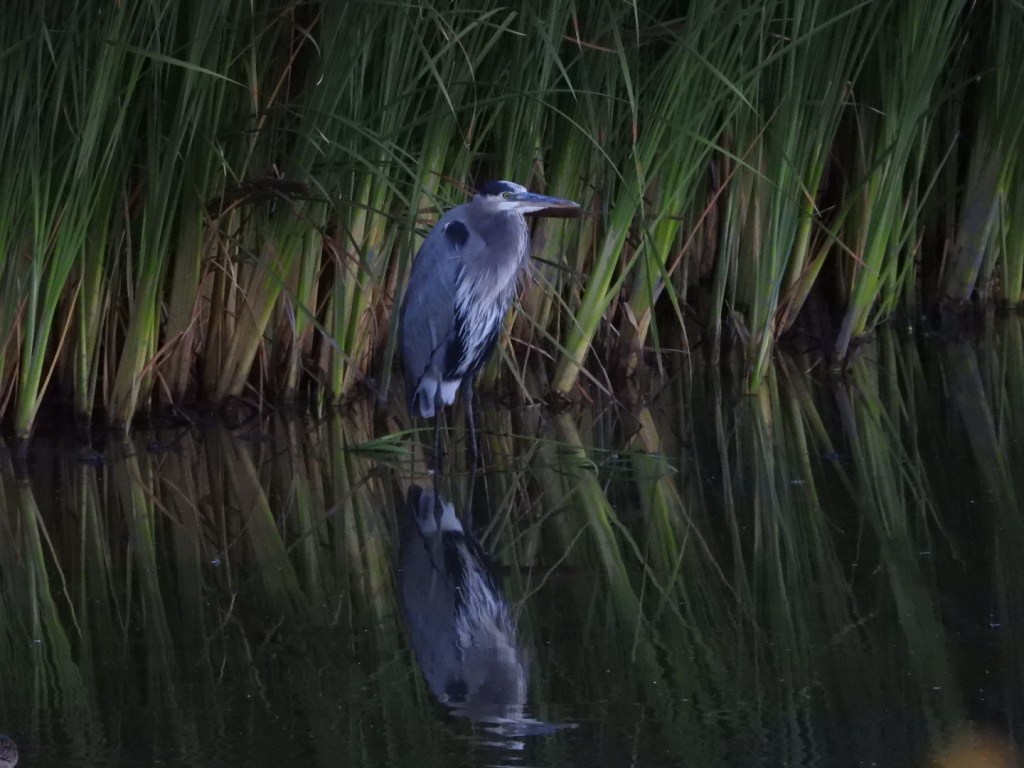
Sometimes they are courting each other, sometimes they are chatting.
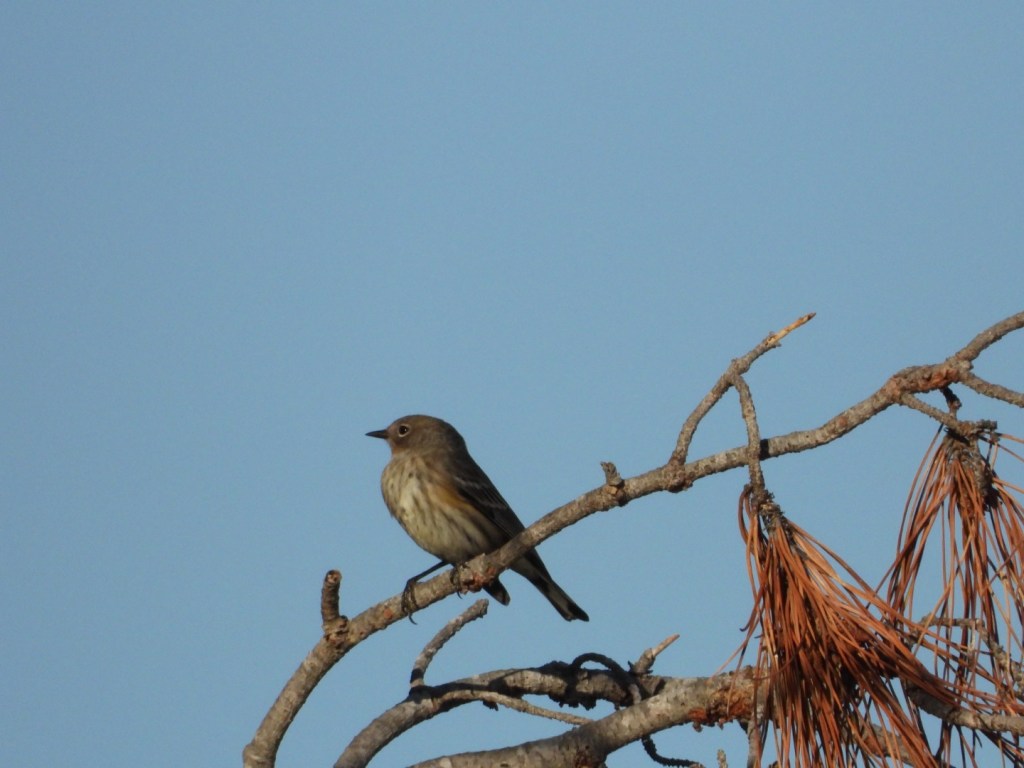
Maybe that’s just my own interpretation, but the view is beautiful nonetheless.
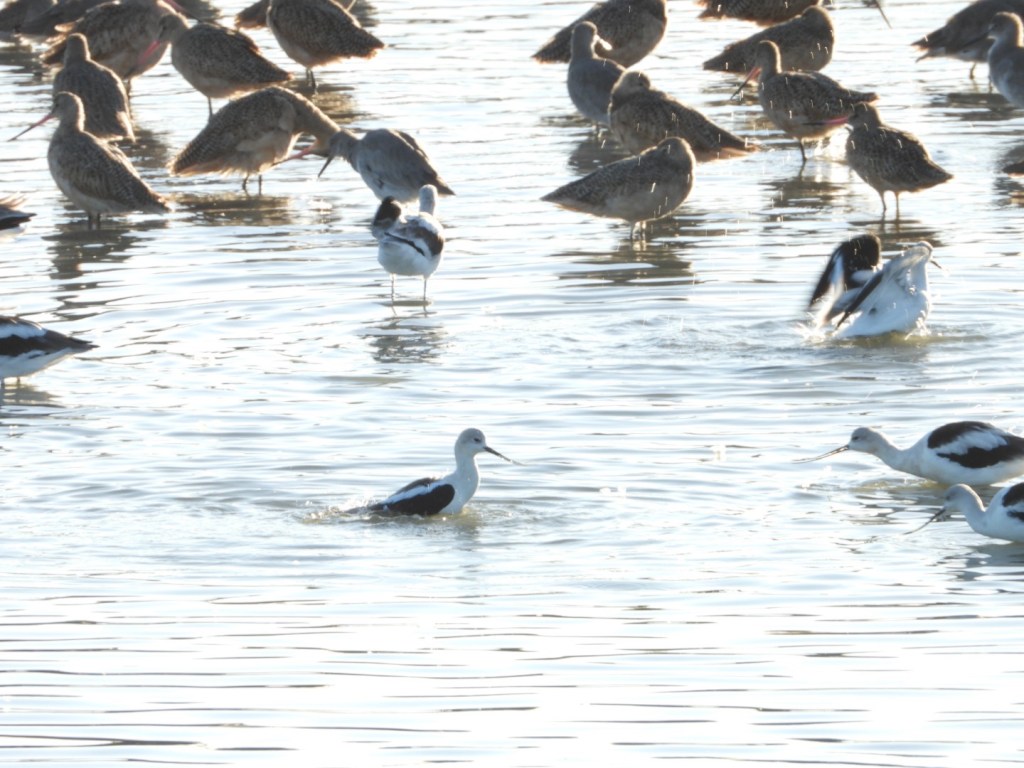
Taking photos of birds taught me patience. You have to wait for the perfect moment to capture them in flight, or with their pose in the most photogenic stance. Hours pass, but the end result is always worth it. Funny enough, the birds are patient too, waiting for the perfect moment.
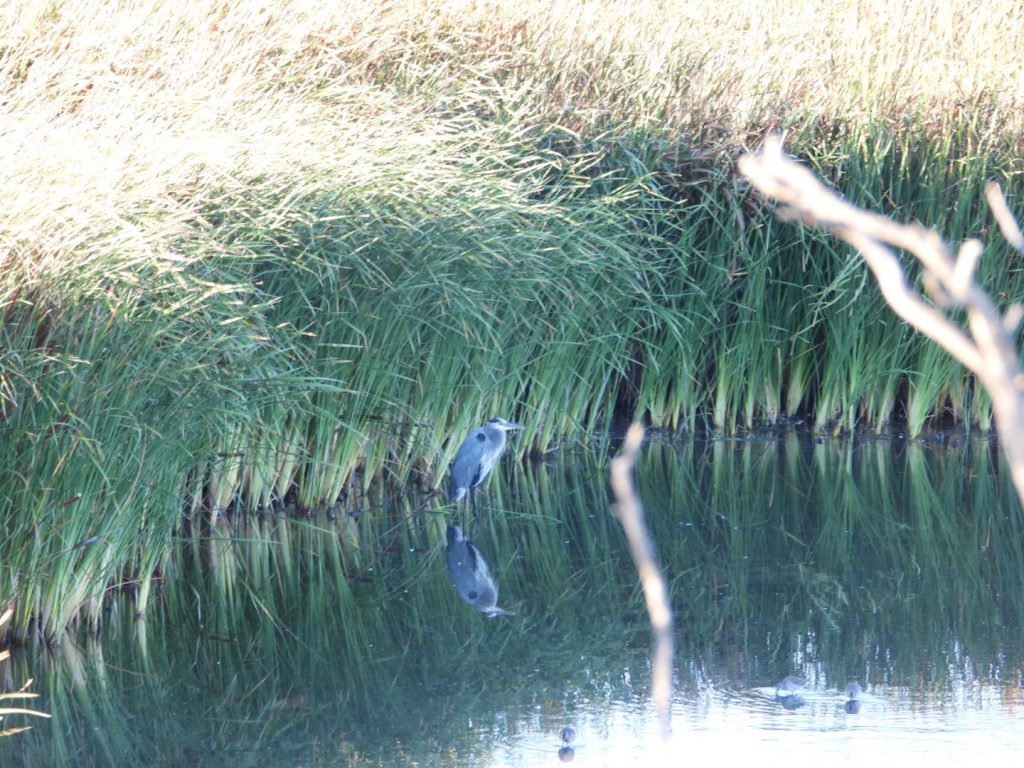
Egrets, herons, and other birds often wait for hours for the right time to catch the fish they’re eyeing.
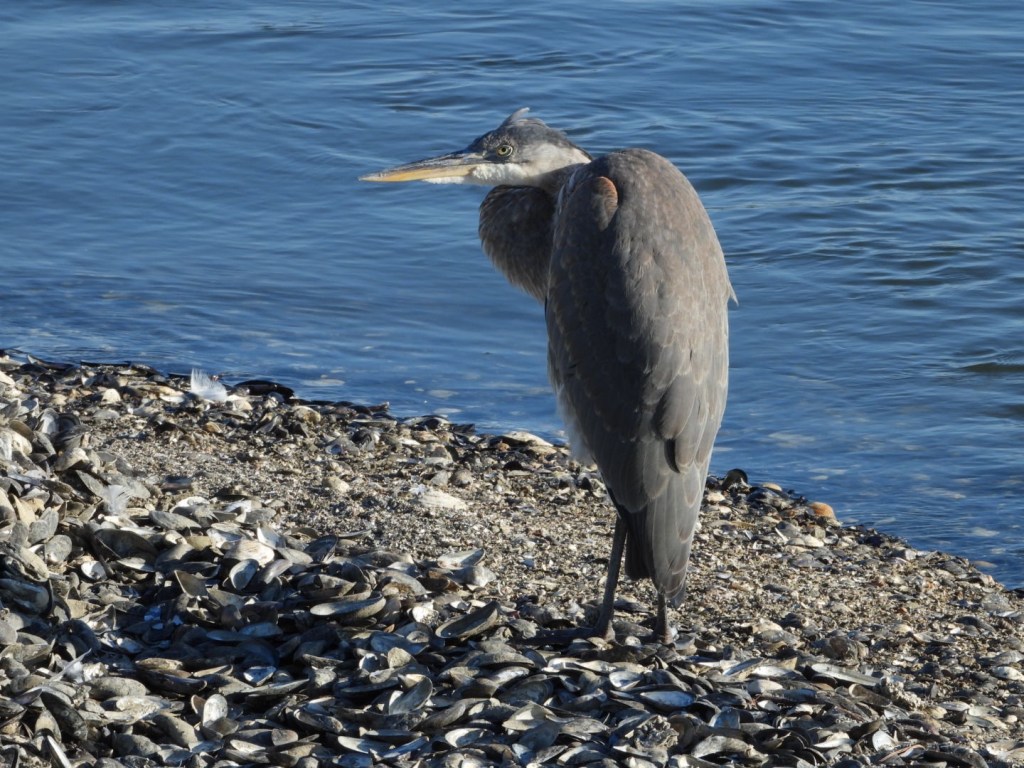
Developing my patience through bird photography is fun and very useful for my personal development.
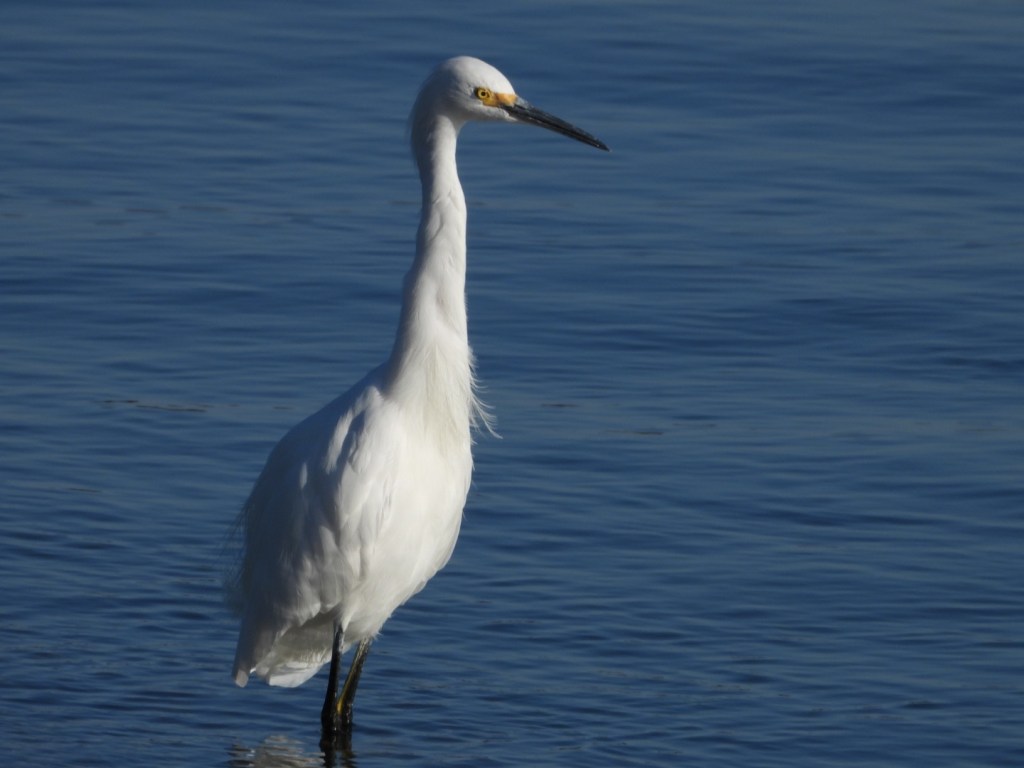
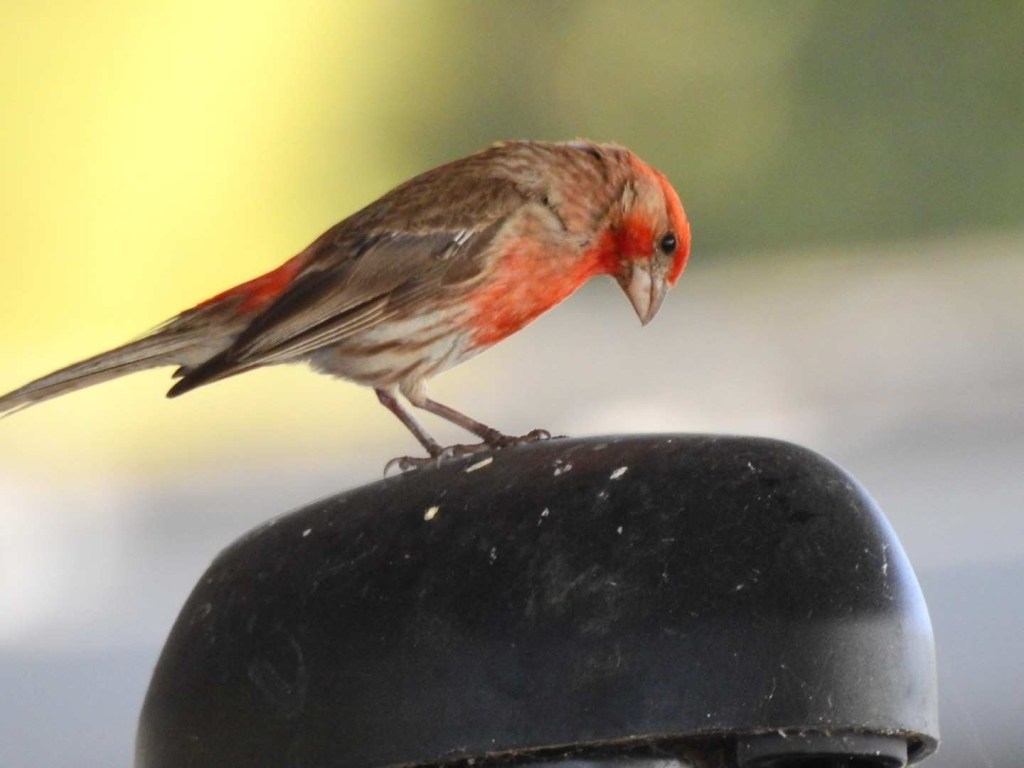
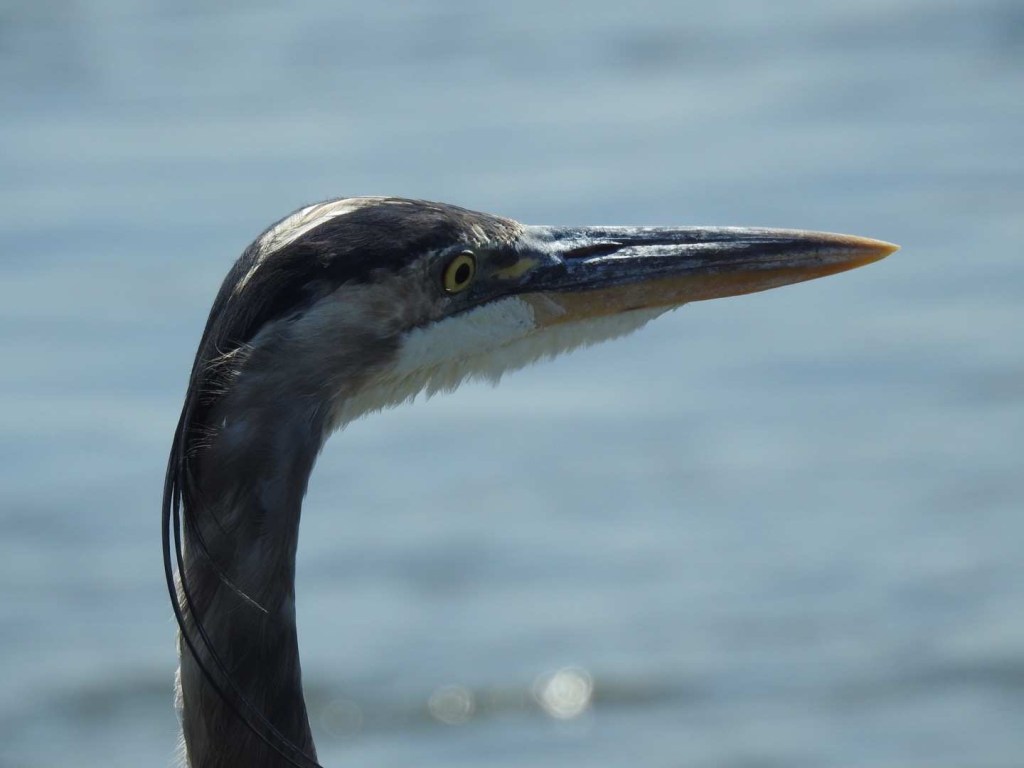
I finally put my skills to use and helped a fundraiser for the SFBBO. I took photos of birds and assisted in raising 200 dollars. I was proud that my efforts and practice have finally paid off and I can put it back into the environment that I love to use as my subject matter.
-
Subscribe
Subscribed
Already have a WordPress.com account? Log in now.
 Matthew lives in nature